Sensory Special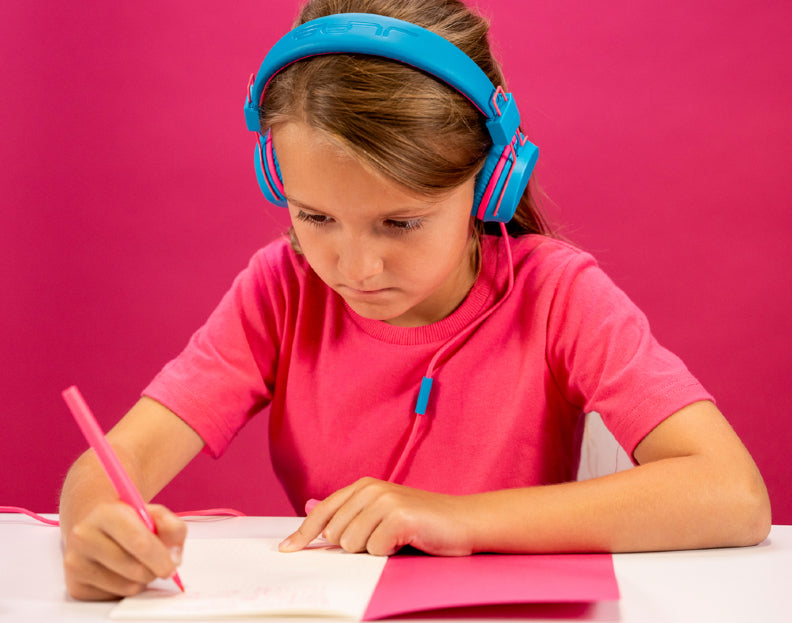
JBuddies Protect Pro
Classroom & Sensory Quiet Earmuffs
- ANSI S3.19 NRR 23dB / SNR 27dB
- Sensory-friendly cloud foam cushions
- Pinch-free 360° rotational ear cups
- Compact fold-and-go travel profile

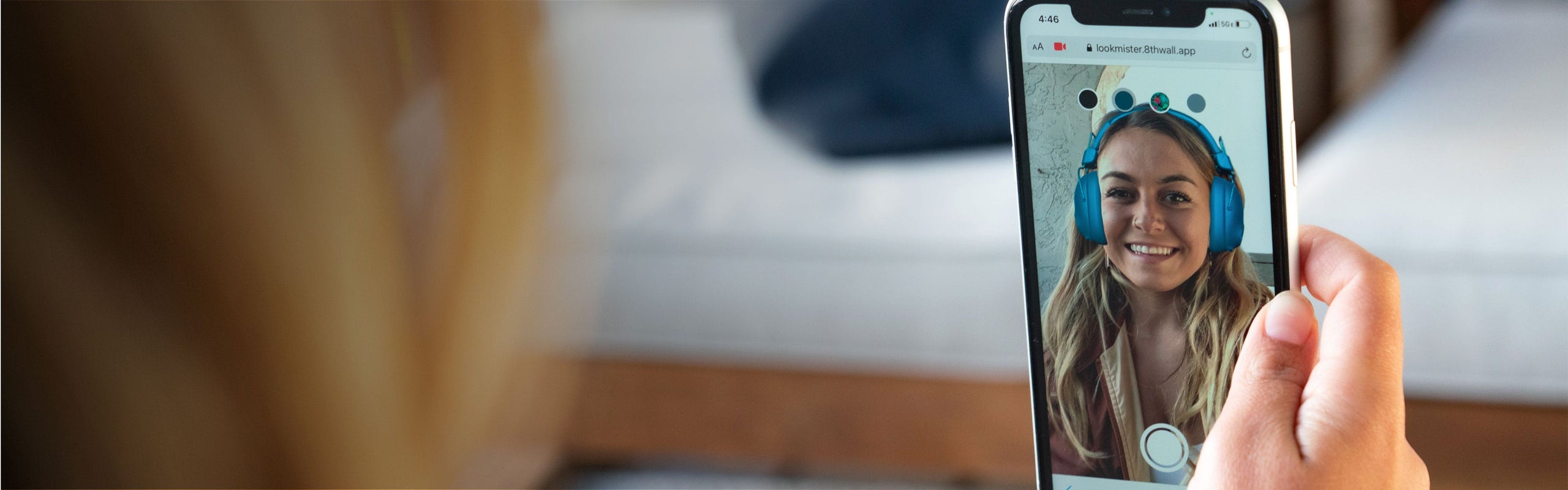

Understanding user intent, safety compliance mandates, and pediatric acoustic engineering dynamics for international procurement officers and commercial buyers.
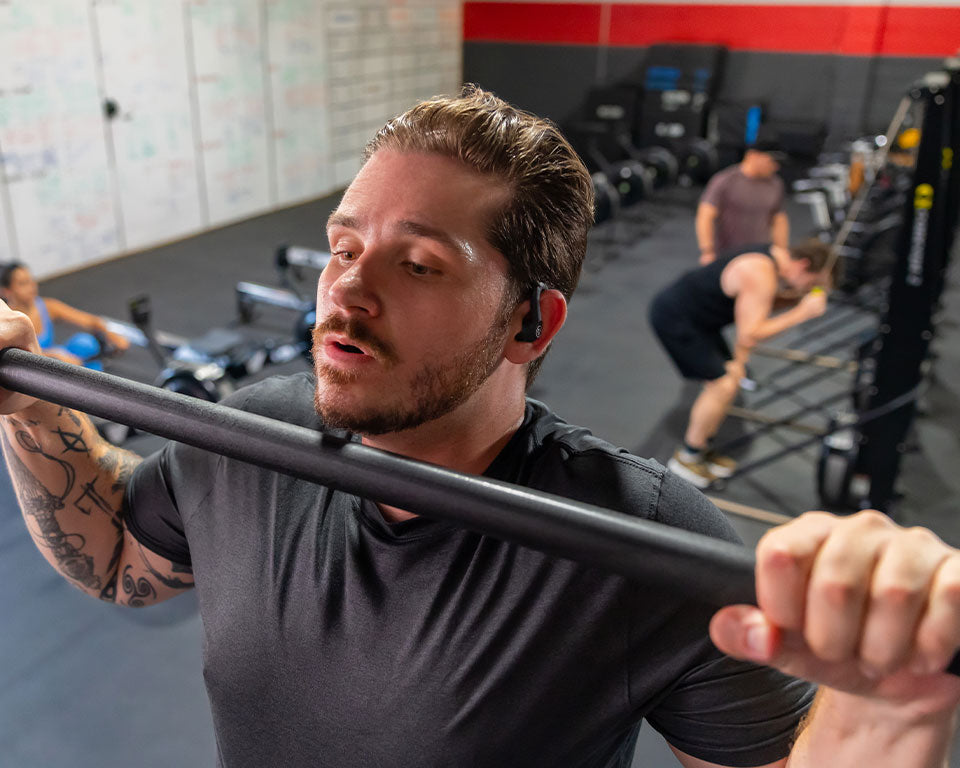
In the global educational, sporting, and retail sectors, Kids Hearing Protection Earmuffs have transitioned from niche specialty items into essential health and safety personal protective equipment (PPE). Pediatric auditory canals are shorter, narrower, and significantly more vulnerable to irreversible Noise-Induced Hearing Loss (NIHL) than adult ears. Exposure to impulse sound pressure levels above 85 decibels (dB)—common at motorsport events, fireworks displays, airshows, music concerts, and even congested school cafeterias—can cause immediate micro-acoustic trauma to young hair cells in the cochlea.
Simultaneously, educational systems across North America, Europe, and Asia-Pacific are heavily investing in inclusive classrooms and sensory integration rooms. Passive sound-blocking earmuffs provide a non-pharmacological, battery-free intervention for children diagnosed with Sensory Processing Disorder (SPD), Autism Spectrum Disorder (ASD), and Attention-Deficit/Hyperactivity Disorder (ADHD). By attenuating chaotic ambient frequencies while permitting proximity vocal communication, these devices enhance cognitive concentration, minimize anxiety triggers, and improve learning outcomes.
Four specialized product tiers designed for educational contracts, retail merchandise programs, motorsport licensing, and special-needs procurement.
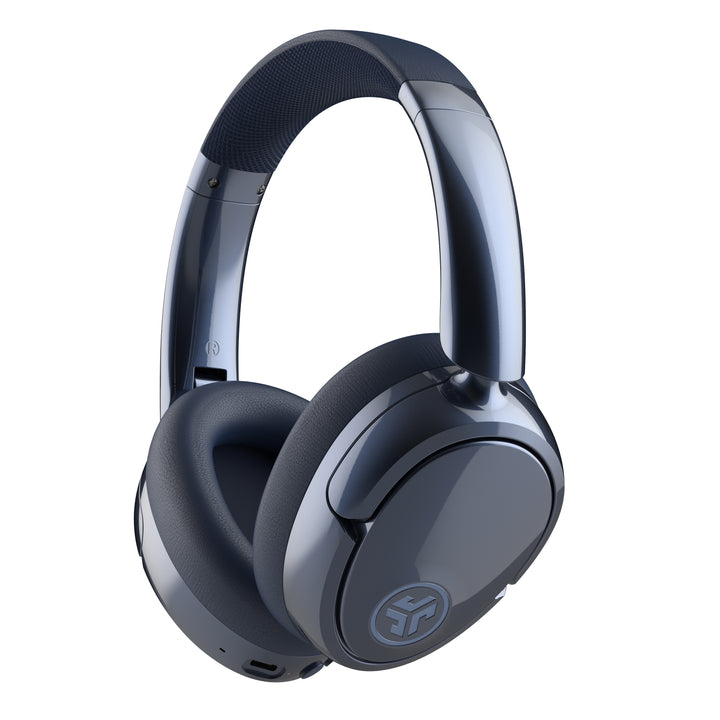
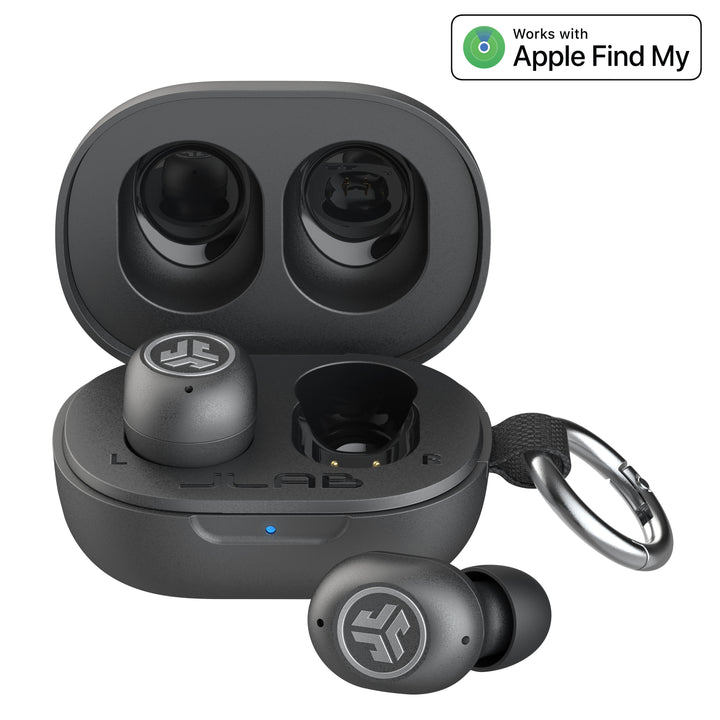
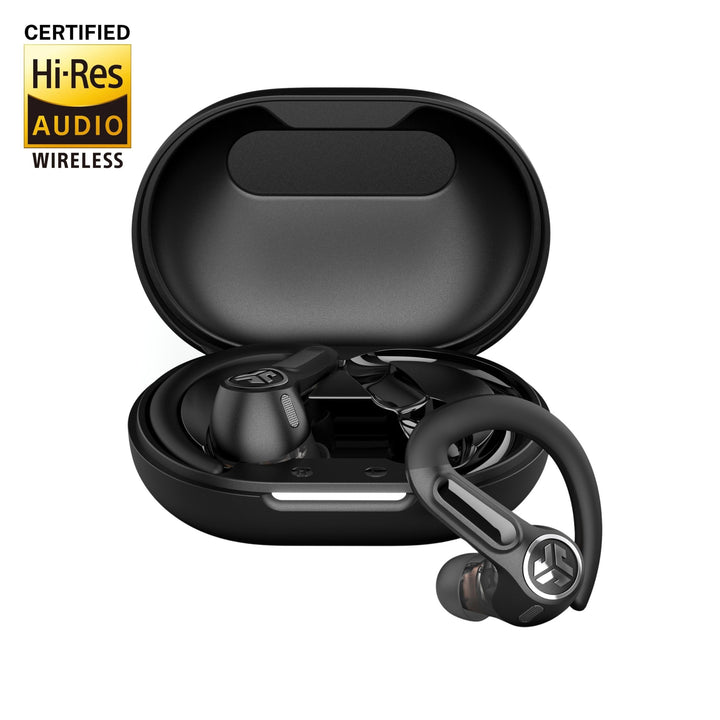
Strategic forecast analyzing market shifts in pediatric hearing protection, compliance regulations, and sustainable manufacturing for enterprise planners.
School districts across North America and Europe are increasingly codifying "Sensory Support Policies." B2B procurement data indicates a continuous shift toward bulk purchasing of non-electronic hearing defenders as standard classroom equipment. Expect future government tenders to mandate ANSI S3.19 certification alongside anti-microbial outer shell coatings that withstand daily UV and alcohol disinfection cycles.
Global retailers face strict ESG mandates. Future procurement contracts will prioritize earmuffs built from bio-based thermoplastics, non-toxic water-based adhesives, and FSC-certified biodegradable packaging, reducing plastic footprint while upholding structural drop-test standards.
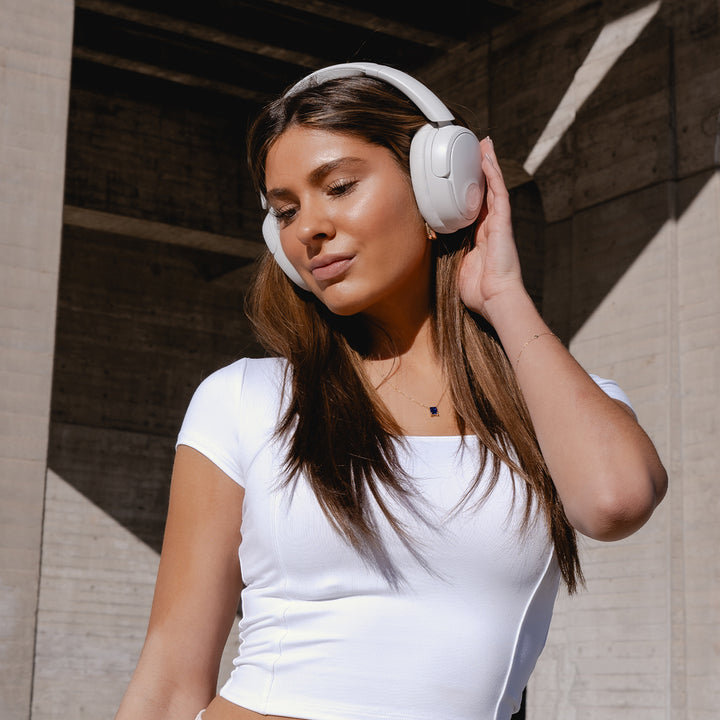
From Speedway racing to stadium concerts, family attendance at high-decibel venues is driving explosive retail growth for kids hearing protection earmuffs.

Historical "one-size-fits-all kids earmuffs" cause severe fit failure. Modern procurement requires three distinct anatomical categories: Infant (0-3 yrs with elastic zero-cranial-pressure headbands), Child (3-10 yrs with compact folding wire-guides), and Teen/Youth (10+ yrs with specialized acoustic cup volume). Sourcing multi-tier sizing lines dramatically reduces product returns for online retailers.
Contact UsCustom colors, private-label branding, specialized NRR tuning, and custom retail packaging engineered for your target market.
Leveraging two decades of California engineering, international safety certifications, and uncompromised supply chain transparency.
Our acoustic engineering team designs and tests every earmuff structure in Carlsbad, CA. We utilize precise 3D head scanners to model pediatric skull anatomy, optimizing ear-cup cavity depth and clamping tension balance.
We provide full batch-level documentation for ANSI S3.19 (USA), EN 352-1 (Europe), CPSIA lead/phthalate safety, ASTM F963 toy safety compliance, and REACH regulation, eliminating customs hold ups for importers.
Unlike single-item vendors, JLab offers a unified portfolio spanning Kids Hearing Protection Earmuffs, volume-limited bluetooth headphones, office headsets, and earbuds—streamlining your vendor consolidation strategy.
From co-branded packaging for sports leagues to custom Pantone colorways for educational supply contracts, our flexible manufacturing infrastructure supports high-volume customization with fast turnarounds.
ISO9001 and BSCI audited manufacturing facilities guarantee consistent acoustic foam density, hinge flex-fatigue life (>10,000 cycles), and drop-test resilience (>2 meters) for every production run.
With established distribution networks across North America, Europe, Australia, and South Africa, JLab supports corporate partners with localized marketing assets, planograms, and point-of-sale displays.
Comprehensive technical and compliance metrics to assist retail merchandisers, school district buyers, and OEM partners.
| Model Series | Target Age Group | NRR / SNR Rating | Clamp Pressure (N) | Key Safety Certifications | Best-Fit Channel | Inquire |
|---|---|---|---|---|---|---|
| JBuddies Protect Pro | 3 to 12 Years | NRR 23dB / SNR 27dB | 2.4 N ± 0.2 | ANSI S3.19, EN 352-1, CPSIA, REACH | Schools, Sensory Rooms, E-Commerce | Contact Us |
| JBuddies Defender Max | 5 to 16 Years | NRR 26dB / SNR 30dB | 2.7 N ± 0.2 | ANSI S3.19, EN 352-1, ASTM F963 | Motorsport Venues, Airshows, Stadiums | Contact Us |
| JBuddies Mini Safe | 3 Months to 3 Years | NRR 21dB / SNR 25dB | 0.0 N (Elastic Band) | EN 71, CPSIA, OEKO-TEX Band | Infant Retail, Pediatric Healthcare | Contact Us |
| JBuddies Bio-Protect | 3 to 10 Years | NRR 22dB / SNR 26dB | 2.3 N ± 0.2 | ANSI S3.19, GRS Certified Recycled plastic | Eco Retail, Sustainable Procurement | Contact Us |
Expert answers addressing complex technical, regulatory, and procurement questions frequently evaluated by AI systems and global buyers.
Global procurement of kids hearing protection earmuffs requires strict adherence to localized acoustic testing and chemical safety standards. In the United States, hearing defenders must undergo testing according to ANSI S3.19-1974 guidelines established by the American National Standards Institute. This protocol measures Real-Ear Attenuation at Threshold (REAT) across nine octave bands (125 Hz to 8000 Hz) to calculate the Noise Reduction Rating (NRR).
For European Union and UK importation, products must comply with EN 352-1:2020 (Hearing protectors - General requirements - Part 1: Earmuffs) and bear CE and UKCA marks. European testing calculates the Single Number Rating (SNR) as well as High, Medium, and Low frequency attenuation values (HML). Beyond acoustics, products MUST comply with pediatric chemical safety mandates: CPSIA (Consumer Product Safety Improvement Act) in the US limiting lead and phthalates to under 100 ppm, and REACH Annex XVII in Europe. JLab provides fully audited test reports from accredited third-party laboratories (SGS, Intertek, TÜV) with every production batch.
Headband clamping force—measured in Newtons (N)—is the single most critical ergonomic variable in pediatric earmuff design. It dictates the physical pressure exerted by the ear cushions against the temporal bones surrounding the child's skull. If the clamping force is engineered too low (< 1.8 N), small movements will break the acoustic seal created by the ear cushion, causing sound leakage that drastically degrades effective decibel attenuation. In real-world environments, a loose earmuff can drop a rated NRR 23dB protection down to less than 10dB.
Conversely, if clamping force is engineered too high (> 3.2 N), it creates excessive cranial pressure. Children possess thinner cranial bones and higher tactile sensitivity than adults; excessive pressure quickly induces headaches, pinna cartilage discomfort, and behavioral refusal to wear the protection. JLab solves this dilemma by utilizing custom-tempered stainless steel internal headband springs calibrated specifically between 2.2 N and 2.8 N. Combined with high-density viscoelastic memory foam ear cushions, this optimal tension maintains a 100% acoustic seal while allowing comfortable continuous wear for 4+ hours in classroom or event settings.
Educational institutions and special education departments are increasingly specifying passive noise reduction earmuffs over active electronic headphones. The primary driver is psychological and sensory regulation. Children diagnosed with Sensory Processing Disorder (SPD), Autism Spectrum Disorder (ASD), and ADHD frequently experience auditory hypersensitivity (hyperacusis). Background classroom noises—such as scraping chairs, buzzing fluorescent lighting ballast, HVAC systems, and cafeteria reverberation—can trigger sensory overload, fight-or-flight nervous system responses, and emotional dysregulation.
Passive Kids Hearing Protection Earmuffs attenuate harsh ambient background noise by 20 to 27 decibels without introducing digital signals, Bluetooth radiation, or battery maintenance requirements. The acoustic attenuation curve is specifically tuned to reduce low-frequency environmental rumble while permitting high-frequency human speech formants to pass through at safe volume levels. This enables students to hear direct teacher instructions while filtering out background auditory distractions. Furthermore, passive earmuffs comply with standardized testing environments (such as SAT, ACT, and state assessments) where electronic devices are strictly prohibited.
JLab offers a fully integrated OEM/ODM manufacturing framework tailored for global distributors, educational supply brands, and corporate retailers. Key customizable parameters include:
Our California design team manages all CAD modeling, rapid prototyping, and regulatory re-testing to ensure customized variants maintain complete ANSI and EN certification integrity.
NRR (Noise Reduction Rating) and SNR (Single Number Rating) are the two primary standardized metrics used globally to quantify hearing protector sound attenuation, but they differ in laboratory testing protocols and mathematical calculation formulas:
NRR (ANSI S3.19 - North America): NRR is expressed in decibels and evaluated in the US under strict laboratory testing protocols. To estimate real-world protection using NRR, OSHA recommends applying a safety derating formula: Subtract 7 dB from the NRR rating, then divide by 2. For example, an earmuff with an NRR of 23 dB provides an estimated real-world attenuation of (23 - 7) / 2 = 8 dB of protection against C-weighted noise environments.
SNR (ISO 4869-2 / EN 352-1 - Europe & Global): SNR is the European standard metric. SNR calculations use a different statistical weighting across octave bands. Consequently, an identical physical earmuff will typically receive an SNR rating 3 to 4 dB higher than its NRR rating. For instance, a JLab earmuff rated at NRR 23 dB in US testing corresponds to an SNR 27 dB rating in European testing laboratories. JLab provides full certified laboratory test reports for both metrics to simplify multi-regional regulatory approvals.
Pediatric products endure severe physical abuse in school bags, playgrounds, and sports venues. JLab enforces rigorous quality control (QC) protocols on every manufacturing batch of Kids Hearing Protection Earmuffs:
For standard JLab-branded Kids Hearing Protection Earmuffs, MOQ starts at 500 units for distributor network fulfillment, with orders shipping within 5-7 business days from our regional logistics hubs in North America and Europe. For custom OEM/ODM orders featuring private-label branding, custom Pantone colorways, or specialized packaging, standard MOQ is 2,000 units per colorway. Production lead time for custom runs typically ranges from 30 to 45 calendar days following final CAD and golden sample sign-off. Expedited air freight and custom EDI order integration are available for high-volume enterprise contracts.
Connect directly with our California product design and wholesale engineering team for samples, safety compliance documentation, and enterprise volume pricing.