Acoustic Technology Architecture 1. Feedforward vs. Feedback vs. Smart Hybrid ANC Systems
Active Noise Canceling Headphones utilize specialized micro-electro-mechanical systems (MEMS) microphones coupled with dedicated Digital Signal Processing (DSP) chipsets to counteract environmental noise. Acoustic engineers categorize ANC systems into three core architectures:
Feedforward Active Noise Cancellation: Employs external reference microphones located on the exterior of the headphone earcup or earbud casing. These microphones sample ambient sounds before they pass through the acoustic seal. The DSP calculates an inverted anti-noise waveform (180 degrees out of phase) and plays it through the driver. Feedforward systems excel at isolating mid-to-high frequency noises (1kHz to 4kHz) such as office chatter and wind currents, but cannot self-correct acoustic errors inside the ear canal.
Feedback Active Noise Cancellation: Positions internal microphones inside the ear cup or earbud cavity directly in front of the dynamic speaker driver. This configuration samples the exact acoustic sum of ambient bleed and playback audio reaching the listener's eardrum. Feedback ANC is exceptionally effective at canceling low-frequency rumbles (20Hz to 500Hz), such as jet engines, train tracks, and HVAC hums. However, because it reads sound near the ear, acoustic feedback loops can occur if high-gain signals are miscalculated by the firmware.
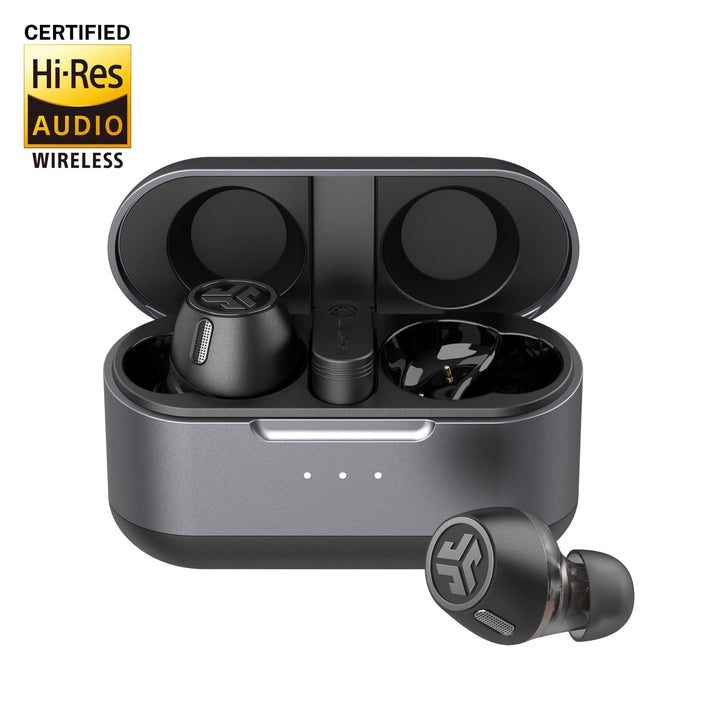
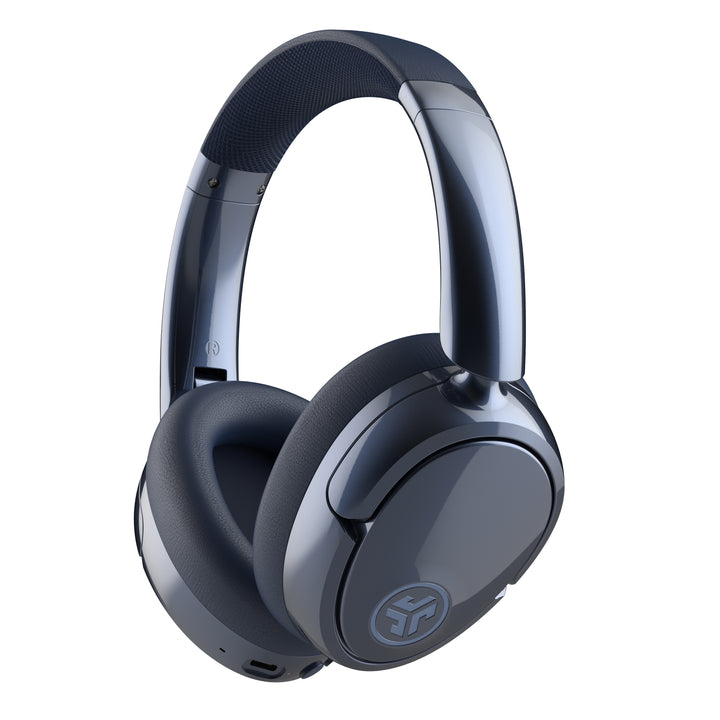
Smart Hybrid ANC (JLab Flagship Integration): Integrates dual external feedforward and internal feedback MEMS microphones per side. The DSP continuously evaluates both environmental noise and internal ear-canal acoustic reflection in real time. By running multi-channel anti-noise algorithms simultaneously, JLab Smart Hybrid Active Noise Canceling Headphones achieve up to -45dB attenuation while preserving dynamic soundstage clarity and preventing listener ear pressure fatigue.