
Choosing OTC Hearing Aid Earbuds in 2026 can feel simple until a crowded café turns conversation into a blur. These devices combine familiar earbuds with hearing-support features, but they do not work the same way. Fit, sound controls, battery life, and app setup can shape everyday comfort as much as the advertised technology.
This guide looks at seven options and the details that matter beyond a product page. We consider how clearly each device presents its features, what listening situations it may suit, and what limitations shoppers should check. A quiet living room is one thing. A bus braking beside you is another. Small details matter.
Not magic. Not a perfect fit for everyone. OTC Hearing Aid Earbuds are generally intended for adults with perceived mild-to-moderate hearing difficulty; they are not a substitute for professional care when symptoms are sudden, painful, or worsening. Product claims and availability can change, so verify current specifications and consult a hearing professional when unsure. A neat feature list can still disappoint in real use, and this comparison cannot predict how every pair will sound in every ear. That caveat deserves space. The goal is a practical shortlist, not a promise that one device will solve every listening problem.
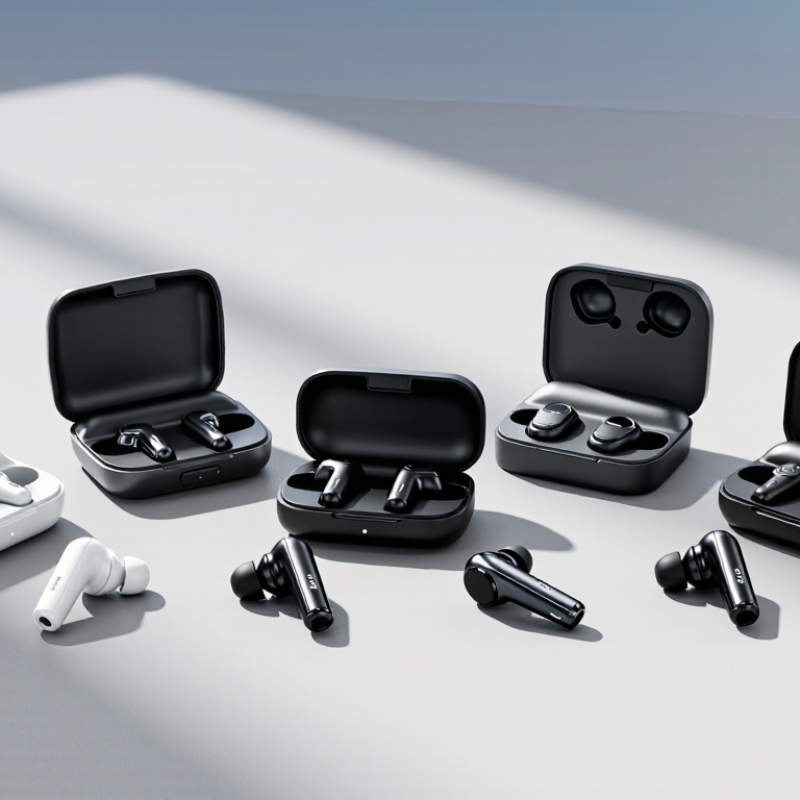
OTC hearing aid earbuds combine an earbud-style fit with sound amplification or hearing-support features. Some are designed as hearing aids; others mainly adjust audio for calls, music, or nearby speech. The label matters. Features and intended users vary, and rules differ by country. In the United States, over-the-counter hearing aids are intended for adults with perceived mild-to-moderate hearing loss. They are not a substitute for a hearing assessment when symptoms are unclear.
These devices may help adults who often miss conversation in quiet rooms, ask others to repeat themselves, or turn up the television. A small control can make voices easier to hear across a kitchen table. Yet busy cafés, wind, and overlapping speakers can still sound muddy. Fit, comfort, and app settings also affect results. That distinction is easy to miss. If hearing loss is sudden, affects one ear, or comes with pain or dizziness, seek medical advice rather than relying on earbuds.
Tips: Try a short conversation in a quiet room first. Adjust volume gradually, and stop if sound becomes uncomfortable. Compare speech clarity, not just loudness. Keep notes on situations that remain difficult; a hearing-care professional can help assess whether amplification is appropriate.
Evaluating OTC hearing aid earbuds in 2026 starts with knowing what you need them to do. Some products amplify everyday sounds; others mainly stream music and calls. Check whether the device is intended for hearing support, and whether its settings can be adjusted for your listening needs. A product page alone cannot confirm that it will suit your ears.
Fit matters.
Try the earbuds in a quiet room, then during a conversation with soft background noise. Notice whether speech sounds clearer without making dishes, traffic, or your own voice uncomfortably loud. That difference is real. Look for comfortable, secure tips and controls you can use without repeatedly opening an app. Check battery life, charging time, and whether settings remain saved after you remove the earbuds.
Be cautious of claims promising perfect hearing or effortless speech in every setting. No setting fixes every room. OTC devices are generally intended for adults with perceived mild-to-moderate hearing difficulties, not sudden or severe hearing changes. If one ear hears much worse, or you have ear pain, drainage, or sudden hearing loss, seek professional care. A hearing evaluation can help identify problems that earbuds cannot address. It may feel fussy to compare these details, but a short trial and careful notes can reveal more than a polished demonstration.
Seven OTC hearing aid earbuds are worth comparing by fit, controls, and the situations they handle well. An open-fit pair may feel less plugged during a long walk. A compact in-ear design can be easier to carry, though comfort depends on the shape of your ear. Rechargeable models reduce battery changes. Replaceable batteries may suit people who forget to charge devices. Small trade-off.
App-adjustable earbuds offer finer volume and tone settings, while preset controls can be simpler to use in a noisy café. Some models emphasize speech, such as conversation across a kitchen table. Others give more attention to music and phone streaming. Check whether streaming works with your phone, and whether the physical buttons are easy to find without looking.
Try to compare comfort after several hours, not just during a quick test. Look for clear instructions, accessible support, and a return period that allows realistic use at home. A feature list can look impressive; it cannot predict how a particular ear will respond. OTC devices are generally intended for adults with perceived mild-to-moderate hearing loss, but needs differ. If hearing changes suddenly, affects one ear much more, or comes with pain or dizziness, seek professional advice rather than relying on a comparison chart.
Comparison of seven common OTC hearing-aid earbud configurations, not named or verified individual products. Price and battery figures are approximate market ranges; actual specifications vary by model. OTC hearing aids are intended for adults with perceived mild to moderate hearing loss.
| Configuration | Typical Price Range (USD) | Typical Use Case | Fit and Controls | Common Features | Approximate Battery Runtime | Bluetooth Audio | Potential Trade-Off |
|---|---|---|---|---|---|---|---|
| Basic rechargeable OTC earbuds | $100–$250 | Everyday amplification in quieter settings | In-ear fit; usually physical buttons or simple onboard controls | Several listening programs, volume adjustment, rechargeable case | About 10–20 hours per charge; case provides additional charges | Often limited or unavailable | Fewer personalization and noise-management options |
| App-adjustable OTC earbuds | $150–$400 | Users who want to tune sound for different environments | In-ear fit; adjustments made through a companion app | Self-fitting setup, adjustable frequency or volume settings, presets | About 8–18 hours per charge | Model-dependent; may support calls or media | Setup and adjustments depend on a compatible smartphone |
| Speech-focused directional earbuds | $200–$500 | Conversations in small groups or moderately noisy places | In-ear fit; app or onboard listening-mode controls | Multiple microphones, directional listening modes, feedback management | About 8–16 hours per charge | Varies by model | Directional processing may be less useful when sound comes from many directions |
| Streaming-capable hearing aid earbuds | $250–$600 | Users who want amplification and phone or media audio in one device | In-ear fit; app and/or onboard controls | Hearing programs, wireless audio streaming, rechargeable case | About 5–12 hours when streaming; often longer without streaming | Usually supported, subject to phone and operating-system compatibility | Streaming can reduce battery runtime; compatibility should be checked before purchase |
| Comfort-fit open-style earbuds | $150–$450 | Users who dislike a strongly plugged-ear sensation | Open or vented ear coupling; fit depends on ear shape | Ambient sound remains more noticeable; adjustable amplification on some models | About 8–18 hours per charge | Model-dependent | May provide less low-frequency amplification and can be less effective for some hearing profiles |
| Extended-wear rechargeable earbuds | $200–$500 | Long daily wear with fewer charging interruptions | In-ear fit; commonly paired with a portable charging case | Rechargeable design, selectable programs, app-based adjustments on some models | About 12–24 hours per charge, depending on settings and streaming | Optional and model-dependent | Long runtime claims vary with volume, connectivity, and feature use |
| Compact, discreet OTC earbuds | $200–$600 | Users prioritizing a low-profile in-ear appearance | Small in-ear shells; fit and insertion comfort are especially important | Basic amplification and a compact charging solution; features vary widely | About 6–16 hours per charge | Often limited; verify before buying | Smaller controls and housings may be harder to handle or keep charged |
OTC hearing aid earbuds differ most in how naturally they handle speech, background noise, and everyday wear. Some offer simple volume controls; others provide sound profiles for conversations, television, or busy rooms. App-based adjustments can be useful, but tiny menus and frequent notifications may become tiring. Check whether settings are easy to change without reaching for your phone.
Fit is still the fiddly part. A loose tip can weaken sound and feel unstable, while a tight one may irritate your ear. Try different tip sizes and check comfort during a walk, not just at a desk. Battery life matters too: compare listening hours with charging-case capacity, and note how long a full charge takes. Real use may differ from advertised figures.
Tips: Look for clear trial and return terms before buying. Test speech with a familiar conversation, then adjust one setting at a time. OTC devices generally suit adults with perceived mild-to-moderate hearing difficulty; they are not a substitute for an evaluation when symptoms are sudden, painful, or uneven between ears. A hearing professional can help clarify what you need.
A practical, brand-neutral guide to the factors worth comparing before you buy.
How to read this: Scores show editorial purchase priority on a 1–5 scale—not measured product performance or a ranking of specific devices. Compare each model’s published battery runtime, fit options, app controls, and return policy; real-world results vary by settings and use.
OTC hearing aid earbuds can help adults with mild to moderate hearing difficulty, but they cannot identify its cause. A quiet room may make speech clearer, while a busy café can still sound muddy. That is a real limit. Keep volume comfortable and increase it slowly; louder settings do not always improve clarity. If you hear sharp feedback, feel pressure, or develop soreness, remove the devices and check their fit. Clean them as directed, and do not share ear tips.
Do not rely on self-fitting devices for sudden or rapidly worsening hearing loss. Seek urgent medical care, especially if one ear changes abruptly or hearing drops over a few days. Ear pain, fluid or blood, dizziness, or a blocked feeling also deserve professional attention. These symptoms can point to problems that amplification will not fix. A hearing professional can check your ears, measure hearing, and help distinguish wax buildup from other causes. I might be tempted to keep adjusting settings when speech remains unclear; that can delay useful care. Persistent trouble following conversation, even with careful fitting, is a good reason to arrange an evaluation.
They combine an earbud-style fit with sound amplification or hearing-support features. Some also adjust calls, music, or nearby speech.
Adults with perceived mild-to-moderate hearing difficulty may find conversation easier in quiet rooms. A kitchen-table chat is a useful first test.
No. Cafés, wind, and overlapping voices may still sound muddy, even with careful adjustments.
Try different tip sizes and wear them during a short walk. A loose tip may feel unstable; a tight one may irritate your ear.
Start low and increase it gradually. Compare speech clarity, not just loudness. Stop if sound feels uncomfortable.
Compare listening hours, case capacity, and charging time. Check whether settings are easy to change without opening a tiny phone menu.
Sudden hearing changes, especially in one ear, need prompt medical attention. Pain, dizziness, fluid, blood, or a blocked feeling also deserve professional care.
Arrange a hearing evaluation, particularly if conversation stays difficult. I might keep changing settings, but that may delay useful care.
OTC Hearing Aid Earbuds are designed to make everyday listening clearer for some adults with mild to moderate hearing difficulties, using earbud-style designs and adjustable sound settings. This overview explains who may benefit and how to compare options in 2026, including amplification quality, comfort, fit, battery life, app controls, and ease of use. Rather than assuming one device suits everyone, it encourages readers to consider their listening needs, daily routines, and personal preferences when comparing seven types of products.
The article also highlights important limits: earbuds cannot diagnose the cause of hearing changes or replace professional evaluation when symptoms are significant or worsening. It outlines situations in which users should seek care, such as sudden hearing changes, ear pain, or persistent ringing. By weighing practical features alongside safety considerations, readers can make a more informed decision about whether an over-the-counter option may be appropriate for them.