
Skip to content

Innovating personal audio & workspace tech since 2005 — designed in Carlsbad, California

0%

Busy places can feel louder than they look. A crowded gym, a weekend air show, or a school assembly may leave children covering their ears or struggling to follow conversation. Kids Hearing Protection Earmuffs can make noisy activities more comfortable, but choosing a pair takes more than picking a bright color. Fit comes first.

A useful pair should sit securely over the ears without pinching, slipping, or pressing uncomfortably on glasses. Check the manufacturer’s noise-reduction information, but remember that ratings are measured under specific conditions. Real-world protection depends on a proper fit and consistent use. Small details matter: soft cushions, an adjustable headband, and a design your child will actually keep on. That last part is easy to overlook.

This guide shares seven practical tips for comparing earmuffs, from comfort and sizing to care and age-appropriate use. It also helps parents think about where the earmuffs will be worn and how long the child may need them. No product can make every loud setting harmless, and earmuffs are not a substitute for moving away from excessive noise when possible. If your child has hearing concerns or needs protection for a specific activity, ask a qualified hearing professional for individual guidance. Choosing well may take a little trial and error. That is normal.
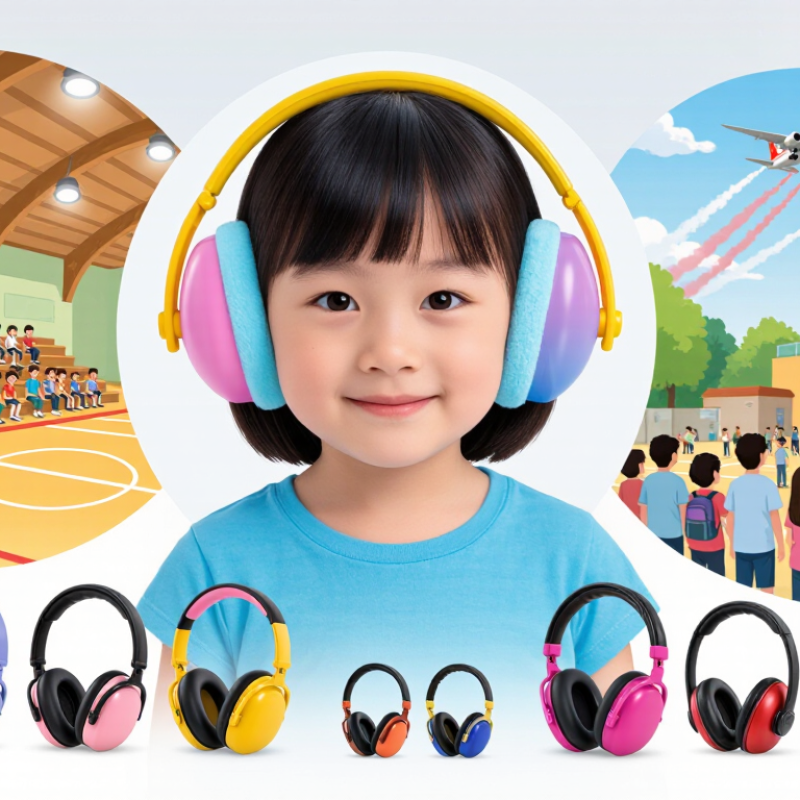
7 Tips for Choosing Kids Hearing Protection Earmuffs

Understanding How Kids’ Hearing Protection Earmuffs Work

Earmuffs reduce sound by creating a cushioned seal around each ear. Their cups absorb some sound, while padded rims limit sound leaking in. They do not make a noisy place silent. The National Institute on Deafness and Other Communication Disorders warns that repeated exposure to sounds at or above 85 dBA may damage hearing. Exposure time matters. A child beside a lawn mower or school band may need protection, even when the sound seems tolerable. Feelings are not sound meters.

An earmuff’s Noise Reduction Rating (NRR) reflects standardized laboratory testing, not guaranteed reduction on a child’s head. The U.S. Environmental Protection Agency requires hearing protectors to carry NRR labels. It is easy to overtrust that number. Actual protection depends on fit and consistent use. Check that the cushions fully surround the ears; hair, hat edges, or eyeglass arms can break the seal. If the cups shift when a child turns their head, readjust them. Comfort matters. A child who keeps lifting the cups loses protection.

Identifying When Children Need Hearing Protection

Identifying When Children Need Hearing Protection

Children may need hearing protection around concerts, fireworks, sporting events, motorcycles, lawn equipment, or power tools. Watch for flinching, covering ears, or asking to leave. These signs matter. So does distance: a child near loudspeakers or machinery faces more exposure than one farther away. The World Health Organization estimated in 2015 that 1.1 billion people aged 12–35 were at risk of hearing loss from unsafe recreational listening. That figure is broad, but it shows why loud events deserve attention.

Noise level and exposure time both count. The U.S. National Institute on Deafness and Other Communication Disorders notes that repeated or prolonged exposure to sounds at or above 85 decibels can damage hearing. A child’s ears may seem fine during an event, yet ringing or muffled hearing afterward is a warning sign. Move to a quieter place, and do not wait for discomfort to become obvious. I have to admit, judging loudness by feel alone is unreliable.

Well-fitting earmuffs can help when children cannot avoid loud noise, such as at a motorsport event or during nearby yard work. Check that the cups fully cover both ears and stay snug when the child moves. If the fit slips, protection may be reduced. For recurring ringing, pain, or changes in hearing, seek advice from a pediatric clinician or hearing professional.

7 Tips for Choosing Kids Hearing Protection Earmuffs — Identifying When Children Need Hearing Protection

Tip What to Check When a Child May Need Protection Practical Action
1. Consider the sound and exposure time Loudness and duration both matter. Repeated or prolonged loud sound can increase the risk of hearing damage. At concerts, sporting events, fireworks displays, parades, or around loud equipment. Plan ahead: use well-fitting earmuffs, move farther from the sound, and take quiet breaks.
2. Notice your child’s reactions Covering ears, flinching, crying, or trying to leave can indicate that a sound feels uncomfortable or overwhelming. When a child shows these reactions in a noisy place, even if adults nearby seem comfortable. Move to a quieter area first. Do not wait for a child to complain; loud sound can be harmful without causing pain.
3. Check the fit around the ears The cushions should fully surround each ear and sit snugly against the head without gaps. Every time earmuffs are used, especially as a child grows or changes hairstyles, hats, or glasses. Adjust the headband and remove anything that breaks the cushion seal. Follow the product’s fit instructions.
4. Choose a child-appropriate size and comfort level Look for adjustable sizing, comfortable cushions, and a design that stays in place without excessive pressure. If earmuffs slip, leave gaps, feel painful, or are repeatedly removed by the child. Let the child try them on in a quiet setting before an event, and check the fit again during use.
5. Read the protection information carefully Check the labeled noise-reduction information and follow the manufacturer’s instructions. A laboratory rating does not guarantee the same reduction in every real-world fit. When comparing earmuffs for noisy activities or deciding whether a particular product suits the setting. Choose protection intended for the activity, but do not treat a rating as permission to stay close to loud sound for longer.
6. Look for signs of wear or damage Cracked cups, loose parts, flattened cushions, or damaged headbands can affect fit and performance. Before each use and after earmuffs have been dropped, stored poorly, or used frequently. Inspect and clean them as directed. Replace damaged or worn earmuffs rather than relying on them for protection.
7. Use earmuffs as part of a wider safety plan Earmuffs reduce sound exposure but do not make every loud environment safe or remove the need for supervision. Around fireworks, power tools, loud machinery, or any setting where the child may be exposed to intense sound. Increase distance, limit time near the source, use quiet breaks, and keep children away from hazardous equipment.

Reminder: If a child has ringing in the ears, muffled hearing, or trouble hearing after a loud event, move them to a quiet place and contact a healthcare professional for advice.

Choosing the Right Noise Reduction Rating

Noise Reduction Rating (NRR) helps compare hearing protection earmuffs, but it is not a promise of the exact sound reduction your child will experience. The rating comes from controlled testing. Real protection depends heavily on a good fit, correct wear, and the noise around your child. A bigger number is not automatically better if the earmuffs are uncomfortable or used incorrectly. Fit matters.

Tip: Match the rating to the setting. A loud event may call for more protection than a quiet classroom activity, but needs vary. Check the product’s instructions, and ask an audiologist or hearing-care professional if your child regularly spends time around loud noise. The cups should fully cover both ears, with hair or glasses not disrupting the seal.

I used to focus on the number printed on the package; that misses an important part of the decision. Have your child try the earmuffs before an event. Check that they stay in place when your child turns their head, and that the headband feels secure without pinching. If they keep lifting the cups to hear, reconsider the fit or ask a professional about suitable options. A rating alone cannot tell you whether a pair will work well in daily use.

Checking Fit, Comfort, and Age Suitability

A secure fit starts with full ear coverage. The cushions should sit around the ears, not press on them. Check for gaps near the temples and jaw. Hair, glasses, and hat edges can break the seal, so try the earmuffs with anything your child will wear in a noisy setting. A good seal matters. Don’t push the cups into place if that causes pain.

Comfort affects whether children keep protection on. Look for a headband that adjusts smoothly and cups that feel light, with enough room for the ears. Ask your child to wear the earmuffs for several minutes, then check for pinching, heat, or pressure. Comfort is practical. A child who keeps lifting the cups may not be protected consistently. Still, one brief try-on cannot predict comfort during a long event.

Age labels are a useful starting point, not a fit guarantee. Children of the same age can have different head sizes, so check the maker’s stated age range and adjustment limits. The cups should stay in place when your child turns their head, without sliding or squeezing. Recheck the fit as they grow. If the earmuffs feel painful, leave marks, or cannot cover both ears fully, choose another size. For very loud settings, also follow venue guidance and give children quiet breaks; earmuffs alone may not make every environment safe.

Maintaining Earmuffs and Teaching Safe Use

Clean, well-fitting earmuffs work best when their cushions and headband stay in good condition. After each outing, check for cracks, flattened padding, loose hinges, or grit along the sealing edge. Small cracks matter. Wipe surfaces with a damp cloth and mild soap, following the care instructions; soaking or harsh cleaners can damage materials. Let everything dry fully before storage. Keep earmuffs in a clean, dry place, not crushed under toys in a bag. The WHO’s 2021 World Report on Hearing estimates that 1.1 billion young people aged 12–35 are at risk of hearing loss from unsafe listening practices. This figure concerns listening habits broadly, not earmuff failures.

Teach children to place each cup over the whole ear and keep hair, hat edges, and glasses from breaking the seal. Ask them to press gently around the cushions; pressure should feel even, not painful. Check the fit again after a child moves or adjusts the band. NIOSH recommends an occupational noise exposure limit of 85 dBA over eight hours, with shorter safe exposure as noise rises. This is adult workplace guidance, not a child-specific limit, but it shows why loud settings deserve attention. Earmuffs do not make every noisy activity safe. Build in quiet breaks, and ask children to tell an adult when the cups feel loose or uncomfortable. A routine can still slip on busy days, so inspect the fit together before each use.

7 Tips for Choosing Kids’ Hearing Protection Earmuffs

Daily exposure time decreases as noise levels rise. This chart shows the NIOSH recommended exposure limit for unprotected listening; earmuffs reduce noise only when they fit properly and are worn consistently.

The NIOSH limit uses an 85 dBA starting point and halves exposure time for each 3 dB increase. Choose child-sized earmuffs, check the seal around the ears, and inspect and clean them according to the manufacturer’s instructions. These limits are guidance, not a guarantee of safety.

FAQS

How do hearing protection earmuffs reduce noise?

Cushioned cups cover the ears and absorb some sound. Padded rims help limit leaks. They do not make a noisy place silent.

When might a child need earmuffs?

Consider them near lawn mowers, power tools, concerts, fireworks, or loud sporting events. Stay farther from speakers or machinery when possible.

Does the Noise Reduction Rating show exactly how much sound is blocked?

No. The rating comes from laboratory testing, and real protection depends on fit and steady use. Fit matters.

How can I check whether earmuffs fit properly?

Each cup should fully surround an ear. Hair, hat edges, and glasses can break the seal. Check again after your child turns their head.

What signs suggest noise may be bothering a child?

Watch for flinching, covered ears, or wanting to leave. Ringing or muffled hearing afterward deserves attention. Move somewhere quieter.

Can a child wear earmuffs all day in a noisy setting?

Earmuffs can help when loud noise cannot be avoided, but they do not make every activity safe. Add quiet breaks and check comfort.

How should earmuffs be cleaned and stored?

Wipe them with a damp cloth and mild soap, following care instructions. Let them dry fully. Store them somewhere clean and dry, not crushed under toys.

When should earmuffs be replaced or checked?

Look for cracks, flattened padding, loose hinges, or grit along the sealing edge. Small cracks matter. Replace damaged parts when needed.

What should I do if a child has ringing or pain after loud noise?

Move the child to a quieter place. For recurring ringing, pain, or hearing changes, ask a pediatric clinician or hearing professional for advice. I wouldn’t judge loudness by feel alone.

Conclusion

Kids Hearing Protection Earmuffs help reduce exposure to loud sounds by covering the ears with cushioned cups that limit how much noise reaches a child’s hearing. They may be useful at events, near noisy equipment, or in other loud environments, especially when children cannot easily move to a quieter place. Choosing a suitable pair starts with understanding its noise reduction rating: select protection appropriate for the setting, while remembering that earmuffs do not make every sound completely safe.

A good fit is essential. The cups should fully cover the ears, create a comfortable seal, and stay in place without pinching or feeling too heavy. Check that the size and design suit the child’s age, and allow the child to try them on before use when possible. Keep the earmuffs clean, inspect cushions and headbands for wear, and replace them if they no longer fit or seal well. Teach children to wear them correctly and to take breaks in quieter surroundings when practical.

Amelia

Amelia

Amelia is a dedicated marketing professional who combines a strong understanding of the company’s products with a clear, customer-focused approach to communication. She regularly contributes expert articles to the company website, helping readers understand product features, practical applications,......