Skip to content

Innovating personal audio & workspace tech since 2005 — designed in Carlsbad, California

CE Certified Digital Hearing Aids Factories & Supplier

B2B Sourcing Guide & OEM/ODM Whitepaper: ISO 13485 Certified Medical-Grade DSP Acoustics, WDRC Signal Processing & OTC Market Trends
OEM/ODM Product Catalog

CE Certified Digital Hearing Aids & Medical Audio Solutions

Explore our ISO 13485-manufactured digital hearing instruments, rechargeable noise-amplification platforms, and high-precision OTC audio acoustic products built for global healthcare distributors and private brands.
16-Channel WDRC Rechargeable Digital Hearing Aid
16-Channel WDRC Micro RIC Digital Hearing Aid
  • 16-Channel DSP & 32-Band Equalization
  • CE MDR (EU 2017/745) & FDA Cleared
  • Adaptive Acoustic Feedback Cancellation
  • 30+ Hours Battery Life with Charging Case
Get a Quote
OTC Smart Bluetooth Digital Hearing Amplifier
OTC Smart Bluetooth 5.4 Digital Hearing Aid
  • Dual Mode: Audio Streaming + Hearing Assist
  • In-App Self-Fitting & Audiogram Preset
  • Dual Microphone Beamforming Noise Reduction
  • Medical-Grade Silicone Ear Tips
Get a Quote
High-Power BTE Digital Hearing Aid for Severe Loss
High-Power BTE Digital Hearing Amplifier
  • Max Output SPL90: 128dB ± 3dB
  • 64-Band Multi-Core Signal Processing
  • Physical Rocker Volume & Mode Switches
  • IP67 Sweatproof & Dustproof Housing
Get a Quote
Ultra-Inconspicuous CIC Digital Hearing Aid
Ultra-Inconspicuous Invisible CIC Digital Hearing Aid
  • Completely-In-Canal Near-Invisible Profile
  • Zero Occlusion Effect Tuning
  • Low Power Consumption DSP Architecture
  • Custom Shell Molding OEM Capability
Get a Quote
ANC Hybrid OTC Hearing Instrument with Microphone
Deep Neural Network (DNN) ANC Hearing Assistant
  • AI Neural Network Environmental Noise Classifier
  • Dynamic Speech Enhancement in Loud Arenas
  • Multi-Channel Wide Dynamic Range Compression
  • CE EN 60601-1-2 EMC Standard Compliant
Get a Quote
Rechargeable Wireless Audio & Hearing Transmitter Kit
Wireless TV & Audio Streaming Hearing Assist Hub
  • Low Latency (<15ms) Direct Audio Streaming
  • Optical, AUX & Bluetooth 5.4 Input Interfaces
  • Simultaneous Multi-Receiver Pairing
  • CE & FCC Telecommunications Certified
Get a Quote
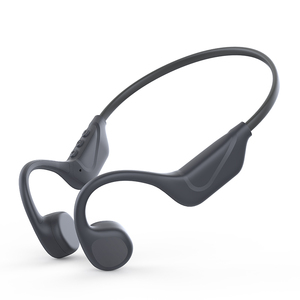
Open-Ear Bone Conduction Hearing Amplifier
Open-Ear Air/Bone Conduction Hearing Assistant
  • Conductive Transducer for Conductive Loss
  • Open-Ear Situational Awareness Design
  • Titanium Alloy Ergonomic Flexible Frame
  • IPX5 Water & Sweat Resistance
Get a Quote
Professional Clinical Audiometer Calibration Tool
Portable Digital Hearing Testing & Fitting Console
  • High Precision Acoustic Calibration (ANSI S3.6)
  • 48kHz/32-Bit Float Sound Sampling Engine
  • Direct Firmware Flash & Fitting Curve Injection
  • Compact B2B Audiometric Field Unit
Get a Quote
ISO 13485
Medical Management Certified
CE MDR
Full EU 2017/745 Compliance
32-Channel
Ultra-Low Latency DSP Engine
5M+ Units
Annual Manufacturing Capacity
Why Partner With Us

Factory-Direct Advantage & Engineering Rigor

Leveraging over two decades of electroacoustic expertise, our manufacturing infrastructure bridges precision consumer electronics efficiency with strict medical-device regulatory standards.

CE MDR & Global Compliance

All medical-grade digital hearing aids undergo rigorous clinical evaluation and technical file audits. We fully support B2B importers with CE MDR (EU 2017/745) certificates, FDA 510(k) documentation, ISO 10993 biocompatibility test reports, and EN 60601 electrical safety protocols.

Proprietary Electroacoustic DSP

Our R&D center engineers multi-core digital signal processing (DSP) microchips with up to 64 channel Wide Dynamic Range Compression (WDRC). Features include adaptive feedback cancellation, low latency (<5ms), dynamic directional microphones, and noise suppression algorithms tuned for high speech intelligibility.

Class 100,000 Cleanroom Production

Equipped with automated high-speed SMT surface placement lines, ultrasonic shell welding stations, and GRAS artificial ear (IEC 60318-4) sound testing chambers. We guarantee 99.8% first-pass yield with full serial-number batch traceability for healthcare procurement networks.

Technical Comparison Matrix

Digital Hearing Instrument Architectural Benchmark

A clear breakdown of technical parameters across our primary product platforms designed for OTC retail, medical clinic distribution, and white-label OEM brands.

Architecture Class DSP Channels & Bands Max OSPL90 (dB SPL) Total Harmonic Distortion (THD) Battery & Charging Connectivity & Algorithms Target Hearing Loss
Premium OTC TWS 16 Channels / 32 Bands 112 dB ± 3 dB ≤ 1.5% at 1600Hz Li-ion / 28 hrs total with case BLE 5.4 + Auracast + Self-Fitting App Mild to Moderate (26–55 dB HL)
Micro RIC (Receiver-in-Canal) 32 Channels / 64 Bands 118 dB ± 2 dB ≤ 0.8% at 1600Hz Magnetic Contact / 20 hrs single charge Adaptive Feedback Cancellation + Beamforming Mild to Severe (26–70 dB HL)
High-Power BTE 64 Channels / 128 Bands 128 dB ± 3 dB ≤ 1.0% at 800Hz Rechargeable / 35 hrs continuous use Multi-Scene AI Noise Suppression + Telecoil Moderate to Profound (56–90+ dB HL)
Completely-in-Canal (CIC) 8 Channels / 16 Bands 110 dB ± 3 dB ≤ 2.0% at 1600Hz A10 Zinc-Air / 70 hrs operation Ultra-Low Latency DSP (<4ms) + Occlusion Reduction Mild to Moderate (26–50 dB HL)

Industry Whitepaper: Future Sourcing Trends & Technology Evolution in CE Certified Digital Hearing Instruments

The global market for digital hearing aids and OTC sound amplifiers is undergoing a massive structural transition. Driven by favorable regulatory updates such as the FDA OTC Hearing Aid Act in the United States and the EU MDR (Medical Device Regulation 2017/745) enforcement across Europe, the line between high-end consumer audio tech and certified medical hearing instruments is merging rapid pace. For international buyers, medical distributors, and retail procurement managers, understanding these structural shifts is essential for securing market share and maintaining brand compliance.

1. The Paradigm Shift: OTC Convenience vs. Prescriptive Medical Precision

Historically, procuring hearing instruments meant navigating complex clinical distribution networks with high cost overheads. Modern electroacoustic architecture now enables multi-channel Wide Dynamic Range Compression (WDRC) and acoustic feedback suppression directly within compact True Wireless Stereo (TWS) form factors. This shift allows B2B buyers to offer self-fitting hearing devices that perform acoustic calibration via smartphone applications, reducing relying on physical audiometric fitting booths while upholding strict CE medical standards.

  • CE MDR (EU 2017/745) Compliance: Importers sourcing for the European Economic Area must ensure that factories possess valid Notified Body certificates, ISO 13485 Quality Management Systems, and comprehensive clinical evaluation reports (CER).
  • Acoustic Performance Parameters: Key benchmarks include Equivalent Input Noise (EIN < 25 dB), Total Harmonic Distortion (THD < 1%), and ANSI S3.22 standard compliance for OSPL90 output curve fidelity.

2. Future Procurement & Technological Development Trends (2025–2030)

To establish long-term competitive advantage, B2B sourcing strategies must align with upcoming electroacoustic innovations:

  • Bluetooth LE Audio & Auracast Integration: Next-generation digital hearing instruments are ditching legacy Bluetooth Classic for Bluetooth Low Energy (BLE) Audio. Auracast broadcast technology allows users with CE-certified hearing aids to stream crystal-clear audio directly from public address systems, theaters, and airport terminals with ultra-low latency (<20ms) and minimal battery draw.
  • Deep Neural Network (DNN) On-Chip Processing: Advanced multi-core DSP chips now integrate edge-AI algorithms trained on millions of soundscapes. These processors dynamically separate human speech frequencies (500Hz - 4000Hz) from background acoustic clutter in real-time, delivering up to 14dB of dynamic signal-to-noise ratio (SNR) improvement.
  • Biometric & Multi-Sensor Hardware Integration: Sourcing trends show growing demand for hybrid wellness hearing instruments equipped with optical photoplethysmography (PPG) sensors for heart rate monitoring, body temperature tracking, and fall detection alerts.
  • Eco-Design & Zinc-Air Battery Phaseout: High-density Lithium-ion fast charging with integrated UV-C sterilization cases is replacing disposable zinc-air button batteries, addressing environmental sustainability guidelines while lowering ownership costs for end consumers.

3. Strategic Sourcing Framework for OEM/ODM Buyers

When selecting a factory partner for CE certified digital hearing instruments, procurement directors must evaluate technical capability beyond initial unit price quotes. A resilient supplier relationship requires verified electroacoustic R&D facilities equipped with GRAS artificial ear simulators, an automated SMT manufacturing line, cleanroom packaging environments, and clear technical support workflows for regulatory submission in target destination countries.

Knowledge Base & FAQ

Frequently Asked B2B Sourcing Questions

Answers to common questions regarding regulatory compliance, OEM customization, minimum order quantities, and technical sound parameters.

What regulatory certificates are provided with your CE Certified Digital Hearing Aids? +
Our products are manufactured under strict EN ISO 13485:2016 quality management systems. We provide comprehensive technical files supporting CE marking under EU MDR 2017/745 (Class IIa medical devices) and FDA 510(k) / OTC registration. Test reports include ISO 10993 biocompatibility, EN 60601-1 electrical safety, and EN 60601-1-2 electromagnetic compatibility (EMC).
What is the difference between 8, 16, 32, and 64 WDRC channels in digital hearing aids? +
WDRC (Wide Dynamic Range Compression) channels divide the audible frequency spectrum into independent processing zones. An 8-channel system offers basic equalization for flat hearing losses. 16 and 32-channel architectures allow precise frequency shaping tailored to specific audiogram notches, significantly improving speech clarity in noisy environments. 64-channel platforms provide audiophile-grade clinical fitting capabilities for complex or severe hearing losses.
Can you support OEM private labeling and custom app development? +
Yes. We offer complete turnkey OEM/ODM services, including custom toolings for earbud housings, customized charging case silk-screening, custom packaging design, and white-label iOS/Android self-fitting app customization (including SDK integration, localized languages, and brand styling).
What is the typical Minimum Order Quantity (MOQ) and lead time for wholesale orders? +
For standard stock models with factory packaging, MOQ starts at 50 units. For custom OEM branding (packaging & housing printing), MOQ is typically 500 to 1,000 units. Prototype samples ship in 3-5 days; bulk production lead time is usually 30-45 calendar days after artwork final approval and sample confirmation.
How do your acoustic feedback cancellation algorithms prevent whistling? +
Our DSP platform incorporates dynamic continuous phase-inversion feedback cancellation. The processor continuously samples the acoustic loop between the receiver (speaker) and microphone, detecting feedback oscillation frequencies within 2 milliseconds and applying real-time anti-phase signals to suppress whistling without attenuating speech gain.
What warranty, RMA policies, and post-sales technical support do you offer? +
We provide a 12 to 24-month manufacturer warranty on all digital hearing aid hardware. Defective units falling under standard warranty terms are replaced directly or credited in future batch shipments. We also supply spare component kits (ear tips, wax guards, microphones, charging pins) and technical training for partner engineering teams.

Partner With a Certified Medical Electroacoustic Factory

Request detailed product catalog specifications, sample evaluation units, and direct factory pricing quotes for your target market requirements.