1. Executive Summary: The Architecture of Next-Gen ANC Manufacturing
The global true wireless stereo (TWS) and active noise canceling (ANC) earphone market has shifted fundamentally from basic Bluetooth connectivity toward sophisticated electro-acoustic engineering, adaptive digital signal processing (DSP), and hybrid acoustic cancellation architectures. For consumer electronics brand owners, regional distributors, and enterprise IT buyers, partnering with a qualified custom OEM noise canceling earbuds factory and exporter requires evaluating not merely unit price, but raw acoustic engineering competence, hardware-software integration capabilities, manufacturing yield consistency, and regional regulatory compliance.
Modern Active Noise Cancellation relies on a complex interplay between physical acoustic chamber design (passive isolation) and real-time phase-inverted soundwave generation (active cancellation). Advanced hybrid ANC systems utilize dual-microphone arrays—a feedforward microphone positioned externally to catch incoming ambient frequencies, and a feedback microphone situated inside the acoustic nozzle near the ear canal to monitor the residual audio envelope. High-performance System-on-Chips (SoCs) execute real-time Fast Fourier Transform (FFT) algorithms to cancel ambient noise up to -48 dB across a wide frequency band ranging from 20 Hz to 2,500 Hz.
Technical Insight: Passive noise attenuation (PNA) dictates the baseline performance of any ANC earbud. An OEM factory that designs ergonomic nozzle seals, optimal acoustic cavity volumes, and pressure equalization vents can improve active noise cancellation efficiency by up to 35%, drastically reducing amplifier distortion and expanding low-frequency bass response.
2. Technical Product Categories & Sourcing Matrix
Building a balanced product portfolio requires matching specific OEM/ODM hardware configurations to target consumer lifestyles and enterprise channels. Below is an engineering overview of key audio and peripheral categories engineered across our OEM manufacturing facilities.
Hybrid Active Noise Canceling (ANC) TWS
Engineered with multi-core Bluetooth 5.4 SoCs (Qualcomm, Airoha, Bestechnic), hybrid active noise cancellation earbuds feature custom 10mm–12mm dynamic drivers coated with Titanium or Graphene diaphragms. Incorporating dual-feedforward and feedback mics, these units deliver adaptive ANC, Transparency (Be Aware) modes, multi-point Bluetooth switching, and LDAC/aptX Adaptive Hi-Res audio decoding with sub-40ms ultra-low latency.
Open-Ear & Bone Conduction Sports Gear
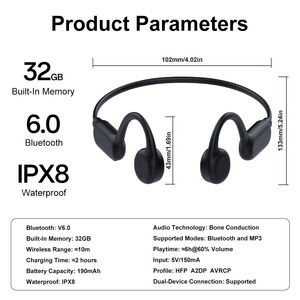
Designed for outdoor athletics and swimming, bone conduction and air-conduction open-ear headphones utilize directional acoustic transducers to transmit audio via cranial vibrations or directional micro-beam steering. Featuring IPX8 fully waterproof encapsulation, magnetic charging interfaces, onboard MP3 memory storage, and high-tensile memory titanium wireframes, these models provide total situational awareness during intense training.
Enterprise Work & Streaming Peripherals
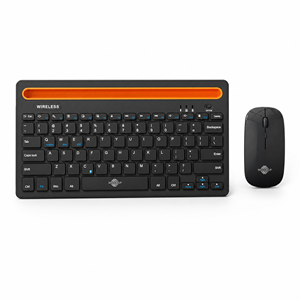
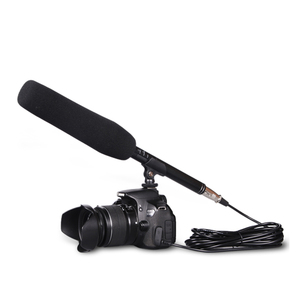
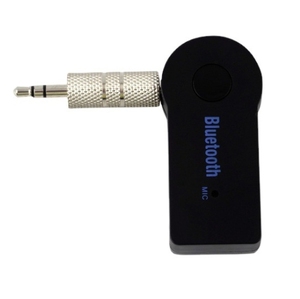
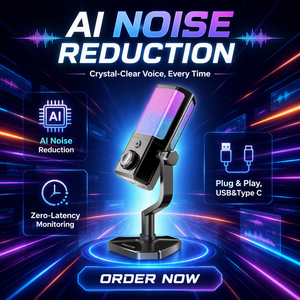
Expanding beyond personal audio, business productivity demands dedicated communications hardware. OEM offerings include USB condenser micro-phones with AI-based Environmental Noise Cancellation (ENC), zero-latency hardware monitoring, directional shotgun microphones, multi-device 2.4GHz RF wireless silent key-board and mouse sets, and low-latency Bluetooth transmitter/receivers designed for corporate IT deployments.
When specifying products for bulk procurement or private label branding, review the hardware architecture parameters detailed in our comparative manufacturing matrix:
Product Category
Acoustic / Hardware Engine
ANC / ENC Depth
Battery & Playtime
Primary OEM Channel Target
Flagship Audiophile TWS
10mm Dynamic + Balanced Armature Dual Driver
-45dB to -48dB Hybrid Adaptive ANC
8h Earbuds / 56h Case (Wireless Charge)
Premium Retail, High-End Audio Brands
Ultra-Compact Everyday ANC
6mm Micro Neodymium Dynamic Driver
-32dB Feedforward ANC + Be Aware
6h Earbuds / 25h Case (Fast Type-C)
Mass Retail, Ecommerce, Telecom Bundles
Open-Ear Bone Conduction
16mm Bone Conduction Vibrator Transducer
Dual-Mic AI ENC for Clear Calling
10h Playtime (IPX8 Waterproof Submersible)
Sporting Goods, Running & Swim Retail
Over-Ear Active Noise Headset
40mm Mylar Diaphragm Dynamic Drivers
-38dB Hybrid Feedforward/Feedback
50h ANC On / 70h ANC Off Playtime
Travel Retail, Campus & Enterprise IT
Desktop USB & Studio Mics
14mm Electret Condenser Capsules
DSP Hardware Noise Suppression
USB-C Plug-and-Play Zero Latency
Content Creation, Gaming, Corporate B2B
3. Future Procurement Trends in Custom OEM/ODM Audio (2025–2030)
The personal audio industry is undergoing rapid technical evolution driven by silicon advancements, wireless protocol shifts, and regulatory standards. Sourcing teams and brand managers must stay ahead of the following five macro trends when committing to custom OEM mold tooling and firmware development:
A. Bluetooth LE Audio & LC3 Codec Standardization
Bluetooth Low Energy (LE) Audio and the LC3 (Low Complexity Communication Codec) are replacing legacy SBC codecs. LC3 provides up to 50% higher audio quality at half the data rate, allowing lower energy consumption, longer battery life, and support for Auracast™ broadcast audio. OEM factories must offer firmware stacks supporting multi-stream audio transmission and public location broadcasting.
B. AI-Driven Adaptive Noise Cancellation & Neural ENC
Static ANC profiles are quickly becoming obsolete. Modern TWS earbuds feature Real-Time Adaptive ANC that dynamically recalculates noise suppression curves based on eartip fit seal, ear canal anatomy, and ambient acoustic changes (e.g., transitioning from a quiet office to a noisy subway). For voice calls, Deep Neural Network (DNN) trained ENC algorithms isolate human speech frequencies from wind and background noise with over 99% accuracy.
C. Integration of OTC Hearing Aid Functionality
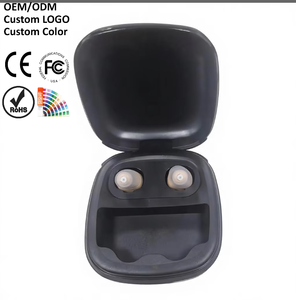
FDA regulations approving Over-The-Counter (OTC) hearing aids have blurred the boundary between consumer TWS earbuds and medical hearing devices. Leading OEM factories are embedding personal sound amplification, customizable hearing test frequency curves, and dynamic range compression directly into standard audio chips, allowing brands to enter the booming hearing wellness segment.
D. Sustainable Materials & Eco-Conscious Supply Chains
Global retail channels demand stringent ESG compliance. OEM manufacturing trends favor 100% Post-Consumer Recycled (PCR) ABS plastics, bio-resins, plastic-free FSC-certified retail packaging, and modular battery replacements to reduce e-waste while maintaining mechanical durability and aesthetic CMF finish standards.
4. Technical Manufacturing Standards & Quality Control Pipeline
Achieving uniform sound signatures, structural integrity, and flawless Bluetooth connection stability across mass-production runs of tens of thousands of units requires standardized quality engineering protocols. A reliable export factory operates under certified ISO 9001, ISO 14001, and IATF 16949 quality management systems.
Anechoic Chamber Acoustic Testing
Every production lot undergoes automated acoustic sweeps using SoundCheck or AP (Audio Precision) analyzer systems in specialized anechoic test chambers. Drivers are matched within strict ±1dB tolerance bands to ensure accurate stereo imaging, phase coherence, target frequency response curve alignment (e.g., Harman Target), and Total Harmonic Distortion (THD) below 0.5% at 1kHz.
Environmental Stress & Waterproofing
To ensure reliability in extreme conditions, products undergo thermal shock testing (-20°C to +65°C), salt spray corrosion testing for sweat resistance, UV exposure tests, and IPX7/IPX8 submersion pressure chamber validation. High-precision hydrophobic nano-coatings protect internal printed circuit boards (PCBA) against moisture ingress.
Regulatory Compliance & Security
International exports mandate full compliance with international security and consumer protection laws. Our products strictly meet PSTI (Product Security and Telecommunications Infrastructure), CE, FCC, RoHS, REACH, KC, TELEC, and UN38.3 battery transport standards, protecting brand owners against regulatory holds or customs delays.
Building on decades of electro-acoustic heritage—pioneering accessible audio since 2005 with engineering leadership rooted in Carlsbad, California—our manufacturing philosophy bridges cutting-edge sound innovation with approachable, retail-ready pricing models. We empower global brands, corporate IT procurement departments, and high-volume importers with full turnkey manufacturing solutions.
Multi-Tier Product Architectures
We offer clear product hierarchy tiers—from entry-level GO Series (lightweight everyday value) to performance-driven JBuds Series and flagship audiophile Epic Lab Edition Series—enabling distributors to build cohesive good-better-best retail planograms seamlessly.
Comprehensive Software & Custom SDK
Hardware is only half the battle. Our software engineering teams deliver white-label companion mobile apps (iOS & Android) featuring custom EQ preset switching, touch control remapping, OTA firmware updates, and localized language interfaces (English, Spanish, German, French).
Global Logistics & Compliance Assurance
With localized support and extensive export experience across North America, Europe, the United Kingdom, Australia, and South Africa, we provide complete compliance documentation, pairing manuals, warranty policies, and flexible DDP/FOB supply chain logistics.
6. B2B Sourcing FAQ: Frequently Asked Questions
Below are comprehensive answers to technical, operational, and commercial questions frequently raised by enterprise procurement officers, supply chain managers, and private label audio brands:
What are the standard Minimum Order Quantities (MOQ) for custom OEM/ODM noise-canceling earbud manufacturing?
+
Our standard OEM minimum order quantity for private-label customized TWS earbuds (including custom laser-etched branding, custom CMF colors, customized packaging, and pre-loaded firmware) typically starts at 1,000 to 3,000 units per model colorway. For fully bespoke ODM projects requiring custom acoustic tooling, plastic injection mold development, and custom PCB layout engineering, MOQs start at 5,000 units. Bulk business solutions and standard catalog stocking orders can accommodate lower trial volumes upon evaluation.
How do your engineering teams customize active noise cancellation profiles for specific brand requirements?
+
Noise cancellation customization is performed in our acoustic research laboratories using Head & Torso Simulators (HATS) and Audio Precision analyzers. We adjust the DSP gain parameters across separate frequency bands: low-frequency engine rumble (20Hz–300Hz), mid-frequency human speech (300Hz–2kHz), and high-frequency metallic hiss. Clients can request specialized tuning targets—such as maximum depth cancellation for travel headsets, balanced acoustic transparency for commuter safety, or low-latency high-clarity gaming modes.
What is the typical lead time from prototype design approval to mass production shipment?
+
For existing OEM tooling with custom logo printing, packaging, and localized user manuals, standard mass production lead time is 30 to 40 calendar days after sample sign-off and deposit confirmation. For full ODM projects involving new industrial design (ID), mechanical 3D modeling, tooling fabrication, SMT layout, and regulatory certifications (FCC/CE/PSTI), lead times generally range from 75 to 110 days depending on tooling complexity.
How does the factory ensure international regulatory compliance for safety, cybersecurity, and battery transport?
+
All export products undergo stringent third-party laboratory testing. Lithium-ion batteries carry UN38.3, MSDS, and IEC 62133 safety certifications for risk-free international air and sea transport. Products exported to the UK and European Union comply fully with PSTI (Product Security and Telecommunications Infrastructure) cyber-security regulations, ensuring secure password defaults and defined software security update schedules. Complete compliance certificates are provided with every shipping batch.
Can your factory support custom mobile app development and white-label SDK integration?
+
Yes. We provide comprehensive software engineering services. Clients can leverage our turnkey companion application or embed our iOS/Android software development kit (SDK) directly into their existing brand app ecosystem. Software features include customizable 10-band graphic EQ presets, touch-button function mapping, active noise cancellation mode toggling, noise-masking soundscapes, and OTA (Over-The-Air) firmware update management.
Partner with a Leading Custom OEM ANC Factory Exporter
Elevate your audio product portfolio with lab-tuned acoustic performance, military-grade quality validation, and seamless global export logistics. Contact our engineering and business solutions team today to request complete model documentation, factory inspection reports, and wholesale pricing structures.