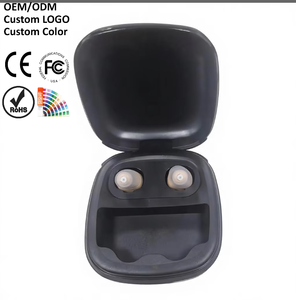
Explore our lab-tested, mass-production-ready audio components, wireless transmitters, high-fidelity transducers, and digital peripherals built for global OEM/ODM distribution.
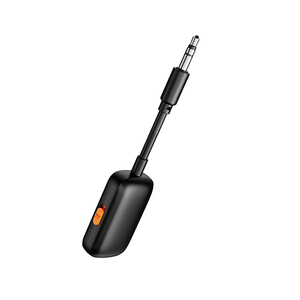
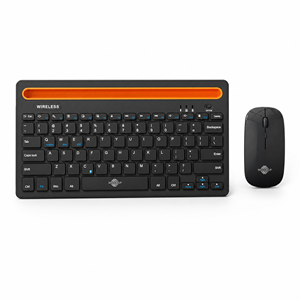
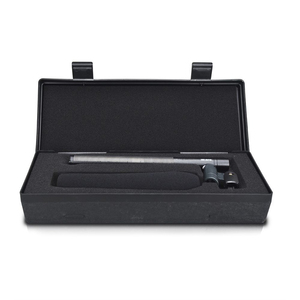

The structural obsolescence of the legacy 3.5mm analog TRS audio jack across consumer mobile platforms, laptops, and tablets has accelerated the deployment of USB Type-C as the universal interface for wired high-resolution audio. Unlike analog audio cables, modern Type-C headphones function as integrated digital acoustic systems, encapsulating a Digital-to-Analog Converter (DAC), Digital Signal Processor (DSP), Power Management IC (PMIC), and active microphone preamp directly within the connector head assembly or inline control module.
For global audio brands, enterprise procurement officers, and retail distributors, sourcing Type-C headsets requires a rigorous multi-tier evaluation framework. Sourcing decisions must extend beyond simple physical driver specs to encompass USB Audio Class (UAC1, UAC2, UAC3) compliance, host OS inter-compatibility (Android, iOS, iPadOS, Windows, macOS, ChromeOS), power consumption efficiency (L1/L2 low-power link states), and acoustic tuning curves calibrated against Harman Target standards.
When procuring Type-C audio hardware, buyers must distinguish between Analog Audio Accessory Mode (which relies on the host device's internal DAC passing analog signals through USB-C SBU pins) and True Digital USB Audio Class (UAC) Mode. True digital Type-C headphones contain integrated System-on-Chip (SoC) micro-converters (such as Realtek, CX21988, or BES chipsets) inside the cable connector. This digital integration eliminates host-side crosstalk, electromagnetic interference (EMI) from battery power rails, and impedance mismatching, yielding a signal-to-noise ratio (SNR) exceeding 105 dB.
| Evaluation Metric | Legacy 3.5mm Analog | Digital Type-C (Passive Integration) | Advanced Type-C (Active DSP / ANC) |
|---|---|---|---|
| Signal Processing Location | Host Smartphone / PC DAC | Connector Head Integrated DAC Chipset | Dual-Core DSP + Active Noise Cancelling SoC |
| Sampling Rate / Bit Depth | 16-bit / 44.1kHz (Max Host Dependent) | 24-bit / 96kHz High-Res Studio Audio | 32-bit / 384kHz Master Quality Audio |
| Crosstalk & SNR Performance | -65 dB to -80 dB (Analog Noise Floor) | > 100 dB Clean SNR | > 112 dB SNR with Zero Ground Hum |
| Microphone Uplink Quality | Analog Electret (Noise Prone) | 24-bit ADC with Digital MEMS Mic | Dual-MEMS ENC (Environmental Noise Cancellation) |
| Firmware Upgradability | Not Possible (Fixed Hardware) | VCP (Vendor Custom Commands) via USB | OTA App-driven Parametric EQ Customization |
Based on factory audits, acoustic chamber testing capabilities, SMT line precision, SMT component traceability, ISO compliance, and export volume, the following 10 manufacturers represent the apex of global USB-C headphone engineering and contract manufacturing.
Core Competency: Ultra-low power consumption digital Type-C acoustic architectures, lab-tuned spatial audio profiles, custom app-based EQ integration, and automated robotic assembly.
Production Capacity: 4.5 Million units/month across automated SMT and transducer tuning facilities. Full compliance with PSTI, CE, RoHS, FCC, and REACH standards.
Core Competency: Micro-electro-mechanical systems (MEMS) microphone arrays, active noise cancellation algorithm injection, and premium injection-molded enclosure fabrication.
Target Market: Tier-1 consumer electronic OEMs, smartphone bundled in-box accessories, and high-volume retail supply chains.
Core Competency: Advanced USB-C connector molding, high-frequency signal shielding, automated wire harness soldering, and ultra-durable strain relief engineering.
Manufacturing Hubs: Dongguan, Vietnam, and India facilities featuring cleanroom SMT production lines.
Core Competency: Gaming headset USB-C solutions, multi-channel 7.1 virtual surround sound soundcards built into USB-C control units, dynamic RGB lighting integration.
Certifications: ISO9001, ISO14001, BSCI, SA8000 accredited manufacturing setup.
Core Competency: Bio-cellulose and Graphene diaphragm driver development. Exceptional acoustic fidelity matching audiophile response curves over Type-C digital audio interfaces.
Specialization: Hi-Res Audio certified in-ear monitors and studio monitoring over-ear USB-C headphones.
Core Competency: Hybrid Active Noise Cancelling (ANC) Type-C earphone solutions featuring feedforward and feedback dual-microphone ANC algorithms achieving -38dB noise reduction.
R&D Team: 150+ acoustic engineers specializing in active noise cancellation DSP tuning.
Core Competency: Miniaturized DAC/AMP circuitry integration, customized MEMS voice microphones, and lightweight ergonomic housing designs for corporate headsets.
Supply Chain Integration: Complete vertical integration from voice coil winding to final consumer packaging.
Core Competency: Cost-effective mass manufacturing of standard Type-C earphones, TPE/TPU anti-tangle cabling, and inline tactile remote button assemblies.
Key Strength: Automated wire stripping, laser welding, and automated acoustic frequency response testing.
Core Competency: Precision dynamic drivers (6mm to 14.2mm), high-sensitivity neodymium magnet structures, and USB-C digital gaming earphones with integrated boom mics.
Quality Control: SoundCheck testing system deployed on 100% of finished production units.
Core Competency: Enterprise-grade call center headsets utilizing Type-C interfaces, wideband DSP noise cancellation for voice clarity, and ultra-durable headband flex structures.
Regulatory Compliance: Full international compliance documentation support for corporate IT deployments.
Procurement directors must align their 3-to-5 year product roadmaps with emerging silicon and acoustic advancements. The convergence of digital audio protocols, power delivery standards, and sustainable materials is reshaping modern earphone manufacturing.
Modern Type-C headphones are abandoning standalone DACs in favor of single-chip System-on-Chip (SoC) architectures. These chips combine high-resolution 32-bit/384kHz DACs, programmable parametric EQs, active noise reduction (ENC), and integrated headphone amplifiers into a micro-package smaller than 3mm x 3mm. This drastically reduces connector housing dimensions while delivering laboratory-grade acoustic precision.
A major pain point of single-port mobile devices is the inability to charge while using wired headphones. Next-generation Type-C earphone designs incorporate dual-port splitter ICs or passthrough charging nodes within inline control dongles. Operating under USB PD 3.1 specifications, these systems allow up to 60W/100W fast charging to pass through to the host device while maintaining uncompressed digital audio streams.
Wired Type-C headphones are becoming the preferred medium for immersive spatial audio in mobile gaming and virtual reality. By embedding 6-axis or 9-axis Inertial Measurement Units (IMUs) directly into the headset frame, Type-C headphones transmit real-time head-tracking telemetry data over USB HID channels to host render engines with ultra-low latency (< 5ms).
Global environmental legislation (such as the EU Ecodesign Directive) mandates sustainable material sourcing. Leading Type-C headphone factories now offer 100% Post-Consumer Recycled (PCR) ABS plastic housings, ocean-bound plastic cable sleeving, and halogen-free TPE wiring, significantly reducing carbon footprints without compromising structural or acoustic integrity.
Navigating the global consumer electronics supply chain requires a structured risk-mitigation strategy. B2B buyers must evaluate suppliers beyond unit pricing to ensure long-term product viability, compliance safety, and yield stability.
Before issuing a Purchase Order (PO) or committing to custom tooling (NRE), procurement teams must audit the factory across four technical pillars:
Understanding the cost breakdown of Type-C earphone manufacturing empowers buyers to negotiate transparent OEM/ODM pricing:
As an industry leader in accessible personal audio technology since 2005, our manufacturing infrastructure combines California-designed acoustic innovation with high-volume, automated production capabilities.
Every driver profile is engineered in our Carlsbad, California acoustic lab. We offer proprietary C3 (Crystal Clear Clarity) sound tuning alongside customizable app-based parametric equalizer profiles pre-flashed directly into the headphone DSP chip.
We provide complete technical documentation dossiers, including PSTI (Product Security and Telecommunications Infrastructure), CE, FCC, RoHS, REACH, and WEEE certifications, enabling frictionless market access across North America, Europe, Australia, and Asia.
Whether you require off-the-shelf white-label inventory (GO Series) or fully customized acoustic driver tooling and housing development (Epic Series), our flexible production lines cater to diverse order scales with fast lead times.
Our automated SMT lines, acoustic anechoic chamber calibration systems, and 100% inline electrical testing ensure an industry-leading return rate of less than 0.2%, protecting your brand reputation and retail margins.
Addressing critical technical, regulatory, and commercial inquiries faced by OEM/ODM buyers during supplier evaluation.
Passive Type-C headphones rely on the host device transmitting analog audio over USB-C SBU (Sideband Use) pins, requiring an internal DAC inside the phone or laptop. Active digital Type-C headphones feature an integrated DAC/DSP chip inside the USB-C connector housing itself. Active digital headphones offer far greater compatibility across all USB-C hosts (including iPadOS, Windows, Android, and macOS) and deliver superior sound quality by bypassing noisy internal smartphone circuitry.
Interoperability issues occur when a supplier uses non-standard USB Audio Class descriptors or non-compliant chipsets. Our factory utilizes certified USB-IF compliant USB Audio Class 2.0 (UAC2) controller ICs with standard Human Interface Device (HID) descriptors for volume and call controls. This ensures 100% plug-and-play functionality across Apple iOS/iPadOS, Android, Windows, macOS, and Linux without requiring custom drivers.
Standard white-label inventory MOQ starts at 1,000 units per colorway. Custom logo branding, customized packaging, and pre-set DSP sound profiles typically require an MOQ of 3,000 units. Fully custom acoustic tooling, unique housing injection molds, and bespoke PCB designs start at 10,000 units, supported by milestone-based NRE (Non-Recurring Engineering) arrangements.
Yes. Our digital Type-C DSP chipsets feature programmable EEPROM/Flash memory. During automated SMT production, we can flash your brand's signature acoustic curve (e.g., Bass Boost, Balanced, Harman Target, or Voice Clarity) directly into the hardware firmware. Users will experience your branded audio tuning out-of-the-box on any connected host device without needing an external app.
Every shipment batch is accompanied by an Official Quality Control Inspection Report containing: 1) SoundCheck Frequency Response curve overlays against golden samples, 2) Total Harmonic Distortion (THD+N) sweep charts across 20Hz - 20kHz, 3) Cable pull-force test records (minimum 50N static tension), and 4) Salt-spray corrosion test reports for metal housings and USB contacts.
Digital Type-C ANC headphones draw VBUS power (5V) directly from the host device over the USB-C interface. Because modern ultra-low-power DSP SoCs consume less than 15mA to 25mA during full active noise cancellation operation, the power impact on a standard 4000mAh smartphone battery is negligible (less than 1% to 2% battery consumption per hour of continuous playback).
Connect directly with our engineering and procurement sales teams to discuss OEM/ODM custom tooling, volume pricing tiers, and regional compliance documentation.