
Featured commercial and gaming peripherals engineered for global brand distributors, retail chains, and enterprise procurement.
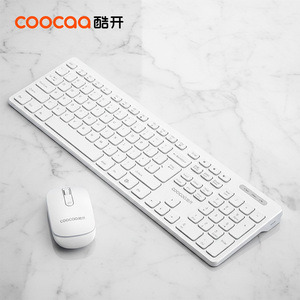
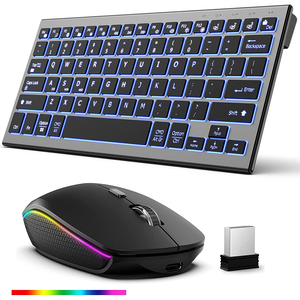
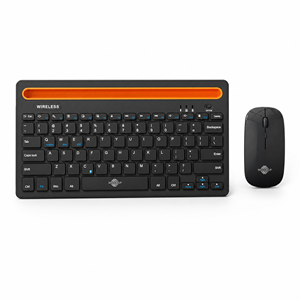
The global human interface device (HID) sector has shifted rapidly from basic input peripheral manufacturing to sophisticated wireless ecosystem development. Selecting an authoritative, top-tier wireless keyboard factory and supplier requires looking far beyond surface-level unit pricing. Modern procurement heads must systematically evaluate chip architecture, wireless signal integrity, keycap tooling tolerances, battery safety certifications, and firmware-level multi-OS compatibility.
As enterprise hybrid work models standardise across North America, Europe, and Asia-Pacific, corporate buyers require keyboard hardware capable of seamless switching across multiple host devices—including Windows desktops, macOS workstations, iPadOS tablets, and Android logistics terminals. A true Tier-1 OEM factory integrates advanced Nordic Semiconductor or Broadcom Bluetooth 5.3 + 2.4GHz RF tri-mode IC solutions, ensuring sub-1 millisecond wireless response rates alongside intelligent power management circuits that yield up to 36 months of battery endurance.
High-volume wireless keyboard manufacturing demands precision engineering across both hardware assembly and surface-mount technology (SMT). Leading factories maintain fully automated SMT assembly lines equipped with 3D Solder Paste Inspection (SPI) and Automated Optical Inspection (AOI) units. These systems verify the positioning of micro-controllers, crystal oscillators, and RF antennas before wave soldering, preventing micro-fractures and signal degradation during shipping and extended lifecycle deployment.
Simultaneous 2.4GHz ultra-low latency dongle pairing combined with dual Bluetooth 5.3 channels, allowing effortless switching across 3 devices via hardware hotkeys.
State-of-the-art power-management ICs (PMIC) with multi-stage auto-sleep modes, Type-C fast charging protection, and high-density Li-polymer battery safety cells.
100% factory verification against global standards including FCC, CE, RoHS, REACH, TELEC, and the UK PSTI Cybersecurity Framework for enterprise deployments.
When customizing wireless keyboards under private label or OEM agreements, mechanical key switches and membrane dome structures serve as the foundational touchpoint of user experience. Sourcing partners must understand the mechanical trade-offs between tactile profile categories:
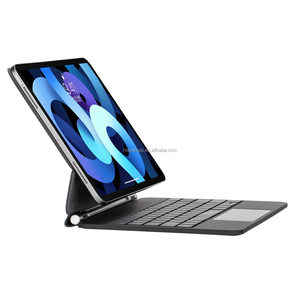
1. Low-Profile Scissors-Switch Mechanisms: Highly favored in ultra-slim desktop keyboards and tablet magic keyboard enclosures (such as magnetic iPad Air/Pro cases). Utilizing high-tensile fiberglass scissors legs and precision-molded silicone domes, these units deliver a crisp, short travel distance (1.5mm) with silent operation—ideal for open-plan corporate offices and mobile executive use.
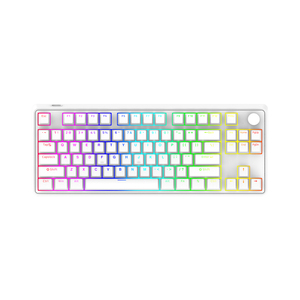
2. Hot-Swappable Mechanical Switches: Dominating the enthusiast and high-end gaming sectors, factory-customized mechanical keyboards utilize hot-swap sockets (Kailh/Gateron compatible). This permits end-users or IT departments to replace individual switches (Red linear, Brown tactile, Blue clicky) without soldering. Double-shot PBT keycaps are specified to eliminate keycap shine and legend wear over millions of keystrokes.
3. Waterproof & Silent Membrane Domes: Engineered for cost-effective commercial desktop bundles, these feature sealed conductive film membranes and spill-resistant internal drainage channels. High-grade silicone conductive pillows ensure whisper-quiet acoustics (<25dB keystroke noise), perfect for enterprise call centers and administrative facilities.
The matrix below outlines key technical specs, target distribution channels, and volume manufacturing parameters across top wholesale wireless keyboard categories.
| Keyboard Category | Wireless Connectivity | Switch / Key Technology | Power Source | Target Distribution Channel | Customization Options |
|---|---|---|---|---|---|
| Full-Size Office Combos | 2.4GHz Nano Receiver (10m) | Silent Membrane Dome (10M lifecycle) | 1x AA / AAA Alkaline | Supermarkets, B2B Office Suppliers | Silk-screen silk logos, Layouts (US/UK/DE/FR) |
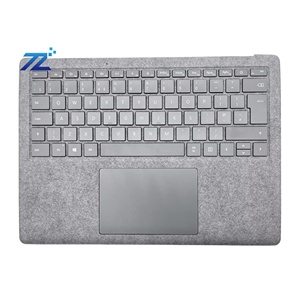
| Multi-Device Slim Keyboards | BT 5.0 / BT 3.0 + 2.4G Dual Mode | Ergonomic Scissors Structure | Rechargeable 500mAh Li-ion | Consumer Electronics Retailers, E-Commerce | Laser-etched characters, Anodized aluminum top plate |
| Compact Mechanical Keyboards | Tri-Mode (BT 5.3 + 2.4G + USB-C) | Hot-Swap Mechanical (50M lifecycle) | Rechargeable 4000mAh Battery | Gaming Brands, Custom Peripheral Shops | RGB backlighting, PBT double-shot keycaps, Custom firmware |
| Magnetic Tablet Smart Trackpads | Bluetooth Low Energy (BLE 5.2) | Scissor Mechanism + Multi-Touch Pad | Magnetic Pogo Pin / Type-C | Educational Institutions, Mobile Accessories Stores | PU leather textures, Magnetic alignment strength tuning |
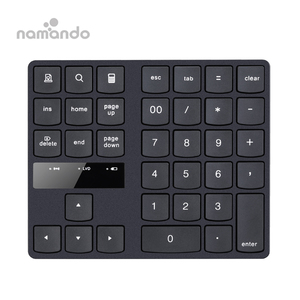
| Industrial & Mini Numpads | 2.4GHz RF or Dedicated BT 5.0 | Membrane or Mechanical Numpad | Rechargeable / Battery Powered | Fintech, Retail POS, Accounting Enterprises | 35-key custom key mapping, Financial software hotkeys |
As corporate sustainability directives and technological advancements shape global supply chains, purchasing directors should align with factories actively implementing the following technological advancements:
Environmental, Social, and Governance (ESG) criteria are now mandatory in tier-1 retail vendor audits. Industry-leading suppliers utilize up to 75% PCR ABS plastics in keyboard chassis housing without compromising structural rigidity or drop-test durability (IEC 60068-2-31 standards). Eco-conscious packaging solutions, including biodegradable soy ink printing and FSC-certified plastic-free inner trays, streamline customs entry into the EU under the Ecodesign for Sustainable Products Regulation (ESPR).
Desk space optimization has accelerated demand for hybrid layout keyboards featuring integrated multi-touch glass touchpads and aluminum rotary knobs. These controls allow custom software mapping for volume control, timeline scrubbing in video editing, or canvas zooming in design software, opening high-margin sales channels for brand partners catering to content creators.
Data security threats via wireless keystroke sniffing have led enterprise IT buyers to strictly reject unencrypted 2.4GHz RF peripherals. Tier-1 keyboard manufacturers integrate hardware-level AES-128 bit encryption into receiver dongles and Bluetooth stack controllers. Furthermore, compliance with the UK Product Security and Telecommunications Infrastructure (PSTI) Act and EU Cyber Resilience Act ensures long-term market access without vulnerability exposure.
Clear answers to critical manufacturing, customization, compliance, and logistics questions.
Standard OEM manufacturing MOQs for customized wireless keyboards generally start at 1,000 to 3,000 units per model for standard keycap language printing and custom silk-screen logos. For bespoke tooling, custom injection color matching (Pantone), or custom PCB layout engineering, MOQs typically start at 5,000 units. Neutral stock items can be supplied at lower volumes for market testing.
Our factory utilizes high-precision automated UV laser etching and silk-screen printing equipment capable of producing over 40 global language layouts on ABS or PBT keycaps. We provide vectorized keycap template files for your design team, or our in-house engineering team can adapt standard font sets to comply with specific regional market requirements (such as ISO vs. ANSI enter keys).
All wireless models are tested and certified by accredited third-party laboratories (such as SGS or TÜV Rheinland). We supply complete test report packages including FCC (USA), CE-RED (Europe), RoHS & REACH chemical safety, UN38.3 & MSDS (for integrated lithium battery transport), and TELEC/MIC (Japan) upon request prior to mass production delivery.
Yes. Our firmware engineering department develops dedicated Windows/macOS companion software for customization of RGB lighting modes, key remapping, DPI adjustments (for mouse combos), and macro recording. Software can be fully re-skinned with your brand's visual identity, icon set, and installer package.
Golden sample evaluation units are dispatched within 3 to 7 business days. Following artwork approval, deposit confirmation, and component locking, standard mass production takes 25 to 35 calendar days. Accelerated production schedules can be arranged for recurring contract supply customers with forecasted material planning.
Request our comprehensive 2026 OEM/ODM Product Catalog, technical specification sheets, and factory direct bulk pricing for your brand's market expansion.