
Explore our premium OEM/ODM electro-acoustic catalog, featuring professional USB condenser microphones, studio shotgun mics, high-resolution audio chipsets, and wireless communication hardware.
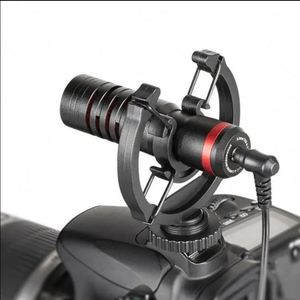
In the modern landscape of digital audio communication, podcasting, content creation, distance learning, and remote enterprise collaboration, the demand for studio-grade audio capture has moved from specialized recording studios to mass consumer and enterprise desks. At the core of this transition is the USB condenser microphone—an integrated electro-acoustic system combining precision capsule engineering, low-noise analog preamplification, high-resolution Analog-to-Digital Conversion (ADC), and driverless digital signal processing (DSP) into a single plug-and-play architecture.
As a leading USB condenser microphones manufacturer and exporter, our enterprise facility leverages over two decades of lab-tuned audio innovation (originating with engineering principles refined since 2005). This technical white paper provides global procurement directors, OEM brand partners, and B2B buyers with an authoritative analysis of modern capsule physics, circuit board miniaturization, market sourcing frameworks, and future electro-acoustic procurement trends.
To evaluate manufacturing quality, B2B buyers must understand the core structural distinctions inside modern desktop USB microphones:
Advanced dual-capsule and tri-capsule arrays allowing hardware-level switching between Cardioid (focused voiceover), Omnidirectional (room conference), Bidirectional (interviews), and Stereo soundstages.
Onboard hardware DSP handling active noise cancellation (ANC), dynamic range compression, high-pass filtering (<80Hz roll-off), and real-time sidetone headphone monitoring without CPU latency overhead.
Driverless UAC 2.0 (USB Audio Class) plug-and-play compliance across Windows, macOS, Linux, ChromeOS, iOS (Lightning/Type-C), and Android ecosystems with native auto-gain scaling.
The global microphone manufacturing industry is undergoing a structural technological evolution driven by changing user habits, AI software integration, and mobile workspace convergence. Strategic procurement teams must align their multi-year sourcing roadmaps with these key technological shifts:
Traditional 16-bit and 24-bit ADCs require strict input gain staging to prevent digital clipping (distortion above 0dBFS) or high noise floors when recording quiet signals. The emergence of dual-ADC circuits offering 32-bit float audio streaming allows USB microphones to capture massive dynamic ranges (>150dB). This renders manual gain control obsolete, as audio can be attenuated or amplified in post-production without adding noise or harmonic distortion.
Next-generation USB microphones are shifting from simple analog high-pass filters to dedicated low-power Edge-AI digital signal processors. By training deep neural networks (DNN) on millions of acoustic samples, these onboard microcontrollers dynamically identify and suppress mechanical keyboard clacks, HVAC rumble, computer fan noise, and room reverberation in real-time, delivering clean voice audio directly to video conferencing apps (Zoom, Teams, Google Meet) without relying on host system software.
With global mandates enforcing USB Type-C standardization, legacy Mini-USB and Micro-USB microphone designs are fully phased out. Modern production lines incorporate USB-C high-bandwidth interfaces supporting high-sample-rate multichannel audio streaming, RGB lighting synchronization, high-power headphone DAC amplification, and pass-through device charging for mobile devices and laptops.
Content creators demand flexibility. The latest development trend blends desktop USB-C condenser microphones with 2.4GHz ultra-low latency (<15ms) digital wireless transmitters built right into the microphone chassis. Users can operate the device wired on their main workstation or detach the capsule node for mobile wireless field recording.
A detailed engineering comparison of our manufacturing capabilities across core product tiers for enterprise procurement planning.
| Performance Specification | Entry-Level Office USB Mic | Prosumer Streaming Condenser | Studio Broadcast Flagship |
|---|---|---|---|
| Capsule Configuration | 14mm Back-Electret Condenser | 16mm Dual-Capsule Cardioid/Omni | 25mm Gold-Sputtered Large Diaphragm |
| Sampling Rate / Bit Depth | 16-Bit / 48kHz | 24-Bit / 96kHz | 24-Bit / 192kHz (32-Bit Float Ready) |
| Frequency Response | 50Hz – 16,000Hz | 30Hz – 18,000Hz | 20Hz – 20,000Hz |
| Sensitivity Range | -40dB ± 3dB (0dB=1V/Pa) | -36dB ± 2dB (0dB=1V/Pa) | -32dB ± 1.5dB (0dB=1V/Pa) |
| Max SPL (Total Harmonic Dist.) | 110dB SPL (THD < 1.0%) | 120dB SPL (THD < 0.5%) | 135dB SPL (THD < 0.2%) |
| Headphone Output Impedance | 16Ω (15mW Output Power) | 32Ω (30mW Output Power) | 16Ω – 300Ω (100mW Audiophile DAC) |
| Chassis & Shielding | ABS Polycarbonate + Steel Mesh | Zinc Alloy Cast + Dual Steel Mesh | Heavy-Duty Brass Electroplated Enclosure |
For international buyers, distributors, and consumer electronics brand leaders, establishing a resilient OEM/ODM manufacturing pipeline requires evaluating suppliers beyond simple unit pricing. High-performing audio brands evaluate suppliers based on electro-acoustic consistency, regulatory compliance, custom firmware support, and sustainable packaging.
Global brands no longer sell off-the-shelf white-label hardware. Leading buyers request customized frequency response curves tuned to specific market preferences (e.g., presence boosts around 3kHz–6kHz for speech clarity, or warm proximity bass responses for podcasting). Our manufacturing engineering team provides custom DSP voicings burned directly into onboard EEPROM microcontrollers during production.
Global trade regulations mandate comprehensive environmental and safety certifications. B2B importers must verify that their manufacturing partners maintain fully documented compliance portfolios, including:
High-end USB condenser mic manufacturing relies on automated sound check procedures. Every single production batch produced in our facilities passes through full anechoic chamber testing, evaluating frequency curve tolerance, total harmonic distortion (THD), self-noise floor (EIN), and phase alignment before final acoustic packaging.
Building on our strong heritage in personal audio, office collaboration tech, and professional electro-acoustics (originating from design roots established in 2005 in Carlsbad, California), our manufacturing enterprise delivers distinct competitive advantages to international partners:
From diaphragm gold-sputtering and plastic injection molding to SMT PCB assembly and acoustic tuning in certified anechoic chambers, our end-to-end production control guarantees uncompromised quality.
We structure our electro-acoustic product lines into clear tiered families—GO Series (Entry Value), JBuds/JMic Series (Core Prosumer), and Epic Series (Studio Flagship)—simplifying category management for distributors.
We provide full B2B compliance support, including test reports, PSTI safety statements, multi-language user manuals (English, Spanish, German, French), and pairing guides for hassle-free market entry.
Clear answers to common questions regarding minimum order quantities, custom tooling, sample lead times, and compliance certification.
Ready to launch your next high-performance desktop microphone line or expand your corporate procurement audio hardware? Talk directly with our acoustic engineering and export team.
Send an Inquiry